# Game On: The Changing Landscape of Multiplayer Interactions
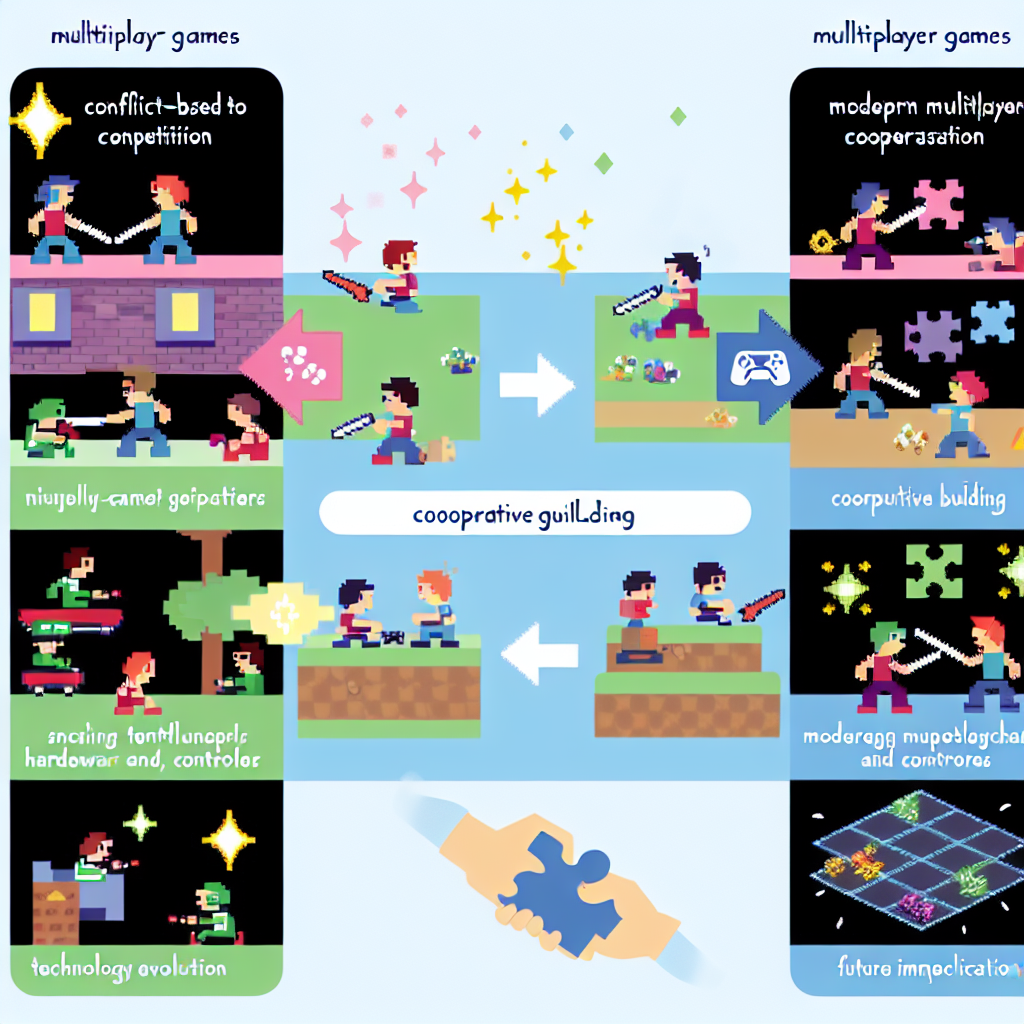
In an era increasingly dominated by multiplayer gaming, the dynamics of player interaction are undergoing a significant transformation. Turning away from the traditional, often hostile, conflict-driven mechanics, players today are seeking cooperative gameplay that emphasizes connection and collaboration. This change isn’t just a passing trend; it’s a reflection of broader social interactions and the evolution of technology that shapes our gaming experiences. Let’s explore how this shift is transforming the gaming landscape.
## The Push Toward Cooperative Gameplay
Historically, multiplayer games revolved around competition. Players vied against each other, often leading to hostile environments. However, games like *ARC Raiders* signify a dramatic shift in this narrative. At first glance, *ARC Raiders* may appear to be another conventional shooter, but an in-depth look reveals a game centered around teamwork against formidable AI foes. The core design encourages players to collaborate rather than compete, representing a fresh approach to multiplayer interactions.
This emphasis on cooperation is no accident. It stems from developers’ conscious decisions to create environments that prioritize community and shared achievements. Modern gamers, often weary of toxic competitive traditional PvP (player versus player) scenarios, are gravitating toward experiences that allow for teamwork and mutual support. Games that foster these connections are making space for a new gaming culture focused on collaboration rather than conflict.
## The Role of Community and Technology
Yet, cooperative gameplay isn’t solely the product of gameplay mechanics; it is also influenced by the rise of community platforms that facilitate interaction. The impact of platforms like Discord, Reddit, and dedicated gaming forums cannot be overstated. These technologies allow gamers to exchange ideas, strategize, and form teams, all while diminishing the risk of conflicts.
The gaming community has started to demand inclusivity and accessibility, further reshaping expectations. Take the *Jackbox* series, for example. When *Jackbox Party Pack 11* launched without proper localization for many popular languages, it stirred disappointment. Gamers seek experiences that acknowledge their diversity, and the absence of localization alienates potential players, disrupting the community fabric. This highlights how community engagement and technological advancement can work in tandem to create richer experiences.
## The Balance of Risk and Reward
The intelligent crafting of game mechanics further reinforces the preference for cooperative frameworks. In *ARC Raiders*, players receive greater rewards from teamwork than from conflict. The decision-making process in-game is fascinating; if the risks of attacking a fellow player outweigh the benefits, why not form alliances and tackle challenges together? This shift encourages players to reassess how they approach competitive scenarios and pushes the boundaries of traditional gameplay norms.
As we analyze this change, we must consider its wider implications. Could it pave the way for a more harmonious gaming ecosystem? The emergence of cross-play functionality provides further evidence that players can coexist without animosity, as boundaries dissolve between different platforms.
## The Emerging Paradigm of Player Behavior
Research into gamer behavior reveals a complex landscape. Recent studies have started to illustrate that players often experience both positive and negative interactions, leading to a duality in behavior that challenges traditional notions of player conduct. The question arises: do we carry behavioral patterns from our primary games into others? Or does each new title allow for a reset of norms?
This inquiry is particularly relevant as we assess the evolving identity of players within the broader gaming ecosystem. Players’ interactions can shape or inhibit the experience based on shared social norms and expectations, creating a rich tapestry of engagement that influences not only gameplay but the overall culture within gaming communities.
## Conclusion: Sowing Seeds for Future Gaming
Looking ahead, the future of multiplayer gaming hinges on the capability to cultivate connections. Whether it’s through developers’ efforts to create inclusive environments, such as localized games, or players choosing collaborative interactions over rivalry, the goal remains clear: to bring people together through shared experiences.
### Takeaway
This shift toward cooperation reflects a dynamic transformation in gaming culture, driven by community engagement and insights into player behavior. As gamers, we hold the potential to shape our interactions within digital spaces to be more inclusive and collaborative. As new titles continue to emerge and existing games adapt to these trends, we carry the responsibility to nurture this evolution for future generations of gamers.
So, as we embrace gaming as a medium for connection and collaboration rather than mere competition, how might our interactions redefine the very fabric of the gaming community? Are we ready to embrace this cooperative ethos that could reshape the multiplayer experience?