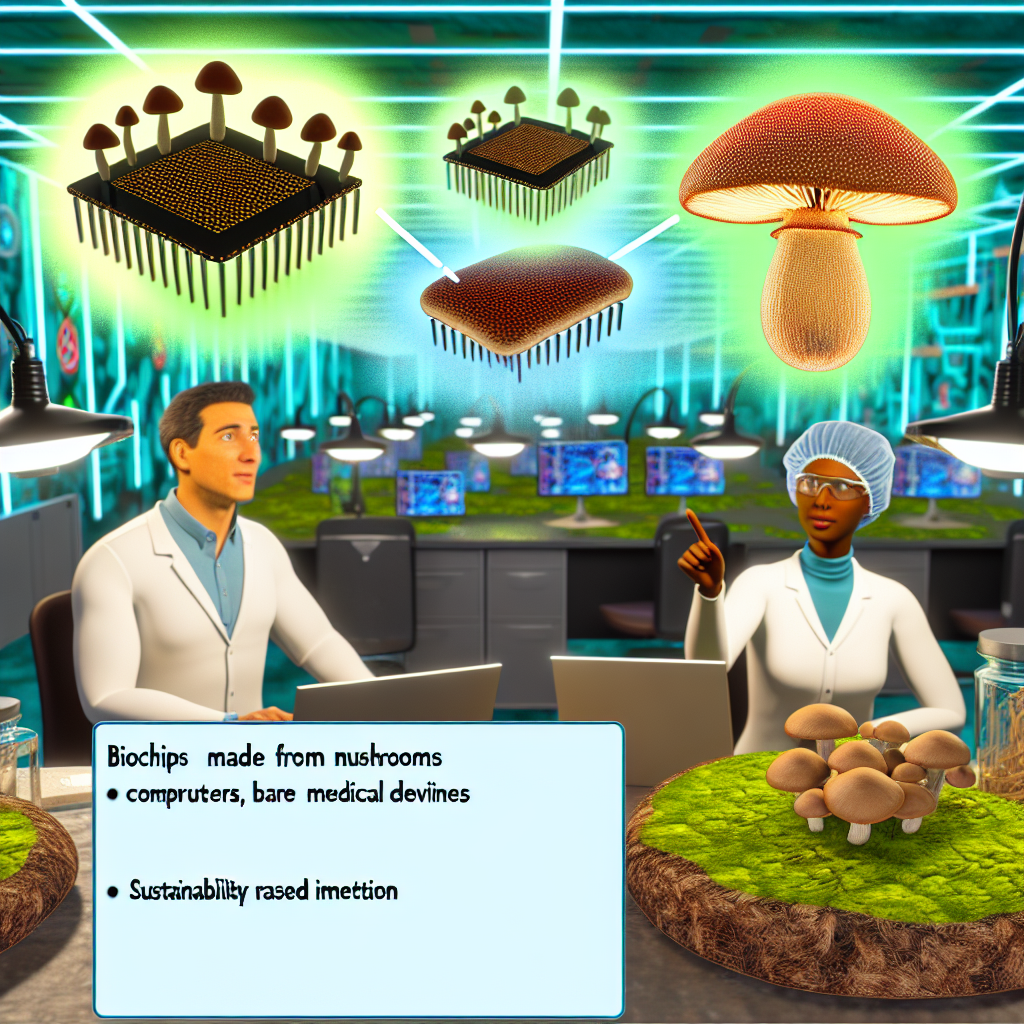
# Tech Meets Nature: How Biochips Derived from Mushrooms Are Changing the Semiconductor Game
## Introduction: A New Frontier in Tech and Sustainability
In a world increasingly reliant on technology, the materials that power our devices are often overlooked. However, the latest innovations suggest that nature may hold the key to the next generation of computing solutions. Researchers are exploring an extraordinary finding: biochips made from mushrooms that rival man-made semiconductors. This cutting-edge advancement is not just a curiosity; it also opens pathways to sustainable technology solutions that resonate with forward-thinking millennials and Generation Z tech enthusiasts.
## The Fungal Revolution: Biochips 101
What exactly are biochips? Essentially, biochips are miniature devices that utilize biological components to perform tasks, such as processing data or simulating biological functions. The novel approach to create biochips from fungi represents a dramatic shift from traditional semiconductor materials like silicon and plastic. By extracting natural polymers from mushrooms, researchers have produced chips that effectively reduce our environmental footprint while capitalizing on the resilience and functional diversity of fungal biochemistry.
Mushrooms, especially mycelium—the root structure of fungi—have shown an astonishing ability to support electronic functions due to their unique electrical properties. But how does that translate into practical technology? Let’s dive deeper.
## Why Mushrooms, You Ask?
The choice of mushrooms for biochip development may initially sound bizarre, but it roots heavily in their natural capabilities. Mushrooms thrive in diverse environments and possess remarkable resilience to external stresses ranging from extreme temperatures to toxic pollutants. This intrinsic toughness translates into performance that can rival conventional semiconductors, offering added durability and longevity for devices.
Moreover, unlike traditional semiconductor materials, mushrooms are biodegradable. This opens the door for more sustainable electronic manufacturing practices. As the tech industry grapples with the problem of e-waste, these biochips could significantly diminish pollution from discarded electronic devices, aligning with the growing call for environmental responsibility.
## The Eco-Friendly Edge: Sustainability Meets Functionality
Millennials and Generation Z are leading the charge for sustainable consumerism, prioritizing products that align with their environmental values. Tech companies are keenly aware of this trend and the rise of biochips from mushrooms comes at a perfect time. This could initiate a paradigm shift in how we conceptualize tech materials, pushing for solutions that not only meet functional needs but also serve wider ecological goals.
The environmentally friendly manufacturing process of mushroom biochips means less reliance on resource-intensive methods that typically lead to a significant ecological footprint. Investing in these innovative chips could create a trend where technology developments align seamlessly with sustainability initiatives.
## Potential Applications: From Supercomputers to Health Tech
Now let’s consider the incredible potential applications of mushroom biochips. Their versatility allows for use across various fields; imagine biochips integrated into medical devices that monitor health metrics in real-time or powering wearables that connect seamlessly to our daily lives while being ecologically responsible.
On a practical level, these biochips can lead to smart devices that require less frequent charging, sparked by the enhanced efficiency regarding power usage. This could prompt an era where extended battery life becomes the new norm, minimizing our reliance on electric outlets. Think about how that could change day-to-day technology experiences!
## Barriers Ahead: Challenges to Overcome
While the prospects are exciting, the path toward widespread adoption of mushroom-based biochips isn’t without hurdles. Developing these chips to match the speed and efficiency of silicon counterparts will require intensive research and engineering efforts. Industry standards need to be established to ensure that these natural products can function reliably under high-demand circumstances.
Moreover, consumer acceptance will play a crucial role. Historically, people can be hesitant about adopting new tech materials, especially when they derive from unconventional sources. For instance, many are still dubious about the resilience and effectiveness of bio-based materials as compared to synthetic options. Ongoing education and transparent communication will be pivotal in overcoming this skepticism.
## Conclusion: The Future is Fungal?
As we move closer to a reality where nature-inspired technologies become mainstream, biochips made from mushrooms represent a significant leap into sustainable tech. Integrating these innovations into existing and future products not only has the potential to enhance technological capabilities but also prompts a reevaluation of our relationship with the environment.
In conclusion, the journey toward a sustainable technology future requires an open mind and willingness for bold innovation. Biochips from fungi may just be the starting point for transformative changes where we harmonize technology and nature. As millennials and Generation Z continue shaping their identities within the tech landscape, embracing these eco-conscious innovations could empower their needs while positively impacting our planet.
**Thought-Provoking Question:** As we embark on these exciting developments, how do you envision the integration of nature-inspired tech influencing our daily lives and our responsibilities towards the environment?