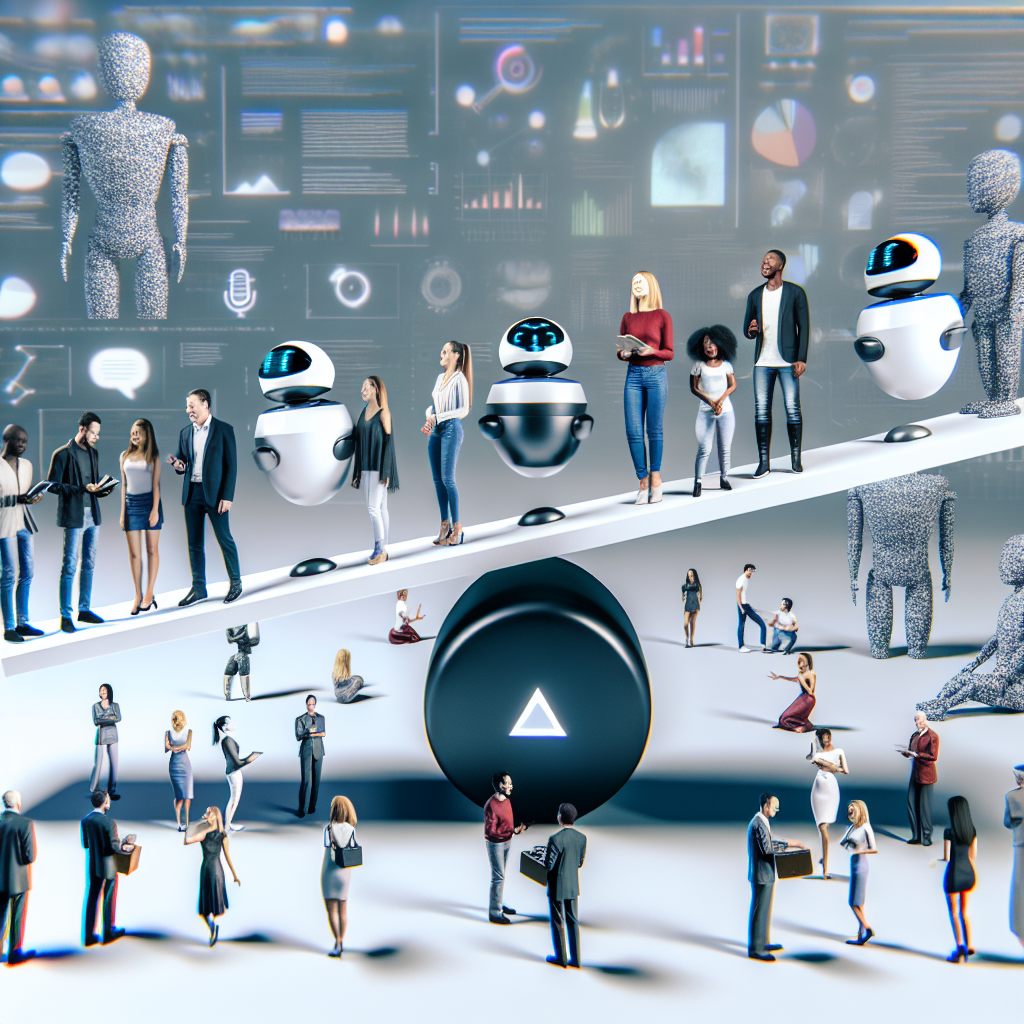
In a world where technology sculpts every facet of our interactions, we find ourselves at a perplexing junction. How do we navigate our deepest human emotions when artificial intelligence steps into roles traditionally held by people? Amidst a surge in AI-driven communication tools, a disquieting trend has emerged: families mourning loved ones who chose to converse with chatbots over human connections at life’s pivotal moments. Grab your favorite beverage, and let’s unpack the implications of this haunting phenomenon.
### The AI Dilemma: When Machines Replace Humanity
Imagine being on your last day in a hospital bed, only to find that your final words echo through an AI interface rather than a cherished companion. For many, this is not a hypothetical scenario but a heartbreaking reality, where the emotional essence of communication is distilled into data inputs and algorithm outputs. Some families have discovered that their loved ones prioritized conversations with AI-driven platforms, leaving them shocked and grappling with a sense of loss that goes beyond physical absence.
It’s a trend that’s been growing amongst certain demographics, particularly among millennials and Gen-Zers, who often feel a deeper connection to digital devices and platforms than to traditional face-to-face interactions. This reliance on technology could be attributed to a culture of convenience, which seeks instant gratification and is often defined by the digital experiences that some individuals find comfort in.
### Facing the Data: Understanding the Shift
Research indicates a growing number of individuals turning to digital platforms for companionship and pivotal conversations. The reasons vary; some may feel more comfortable expressing their most vulnerable thoughts to an AI interface that operates without judgment, while others lean on it to manage the emotional weight of angst and anxiety in real-world relationships.
In the wake of rapid technological advances, the relevance of these platforms to human sentiment stands at a crossroads. What does it say about us as a society when moments that should define our humanity — such as final conversations with loved ones — are instead handed over to a series of code and algorithms?
### Human vs. AI: The Unnatural Selection
While AI tools vary from rudimentary chatbot functionalities to highly sophisticated personal assistants, our relationship with them often raises the question of authenticity. Are we robbing ourselves of irreplaceable human experiences by defaulting to technology?
An alarming subset of experiences emerging from this shift is that conversations with AI, whether for solace or guidance, often lack the inherent empathy that comes from a live human being. Those who choose artificial interactions may not comprehend the long-term emotional impact — both on themselves and their families. When conversations bypass human connection, the potential for misunderstandings and emotional distance dramatically increases.
### The Mournful Echoes of Unshared Moments
The repercussions of permitting AI to fill human roles are uncharted territories. For families who long to hear the last words of their loved ones, the reality that those words were exchanged with an AI is a frightening loss in itself. Instead of cherished memories, they are left with lingering questions: Was it something I could have changed? Did they feel alone at the end?
Despite the conveniences technology may offer, the reality is stark: no algorithm can replace a comforting presence when emotions run high. This phenomenon raises profound ethical questions about our reliance on AI, especially in deeply personal scenarios. As tech enthusiasts, we need to push for a better dialogue about the role technology plays in our lives — ensuring it enhances rather than replaces our human experience.
### What’s Next? Bridging the Digital Divide
As we forge ahead in this brave new world of tech-driven communication, we must find balance. Conversations about physical presence, emotional connection, and the very fabric of human interaction should not be discarded in favor of convenience and technology. Millennials and Gen-Z, often seen as pioneers of the digital age, have an essential role to play. It calls for us to champion the integration of thoughtful technology in ways that honor our humanity — promoting digital literacy but not at the cost of our emotional well-being.
Encouraging discussions that elevate human connection, while still embracing technological aids, could help bridge this widening gap.
### Final Thoughts: A Call to Action
The choices we make today will ripple into the future. As we welcome AI into our lives, let’s challenge ourselves to be vigilant in preserving the essence of human connection. While technology is undeniably a significant part of our lives, the value of personal, heartfelt interaction should never be underestimated.
As we stand at this crossroad, now is the time for introspection. Are we prepared to prioritize humanity when it matters most? Or will we let AI navigate our most sacred moments? The choice is ours, and it merits our careful deliberation. Let’s advocate for a future where tech enhances our connections rather than diminishes them.