# Ctrl Alt Perspective: Apple’s Next Gen Innovations and Their Impact on Users
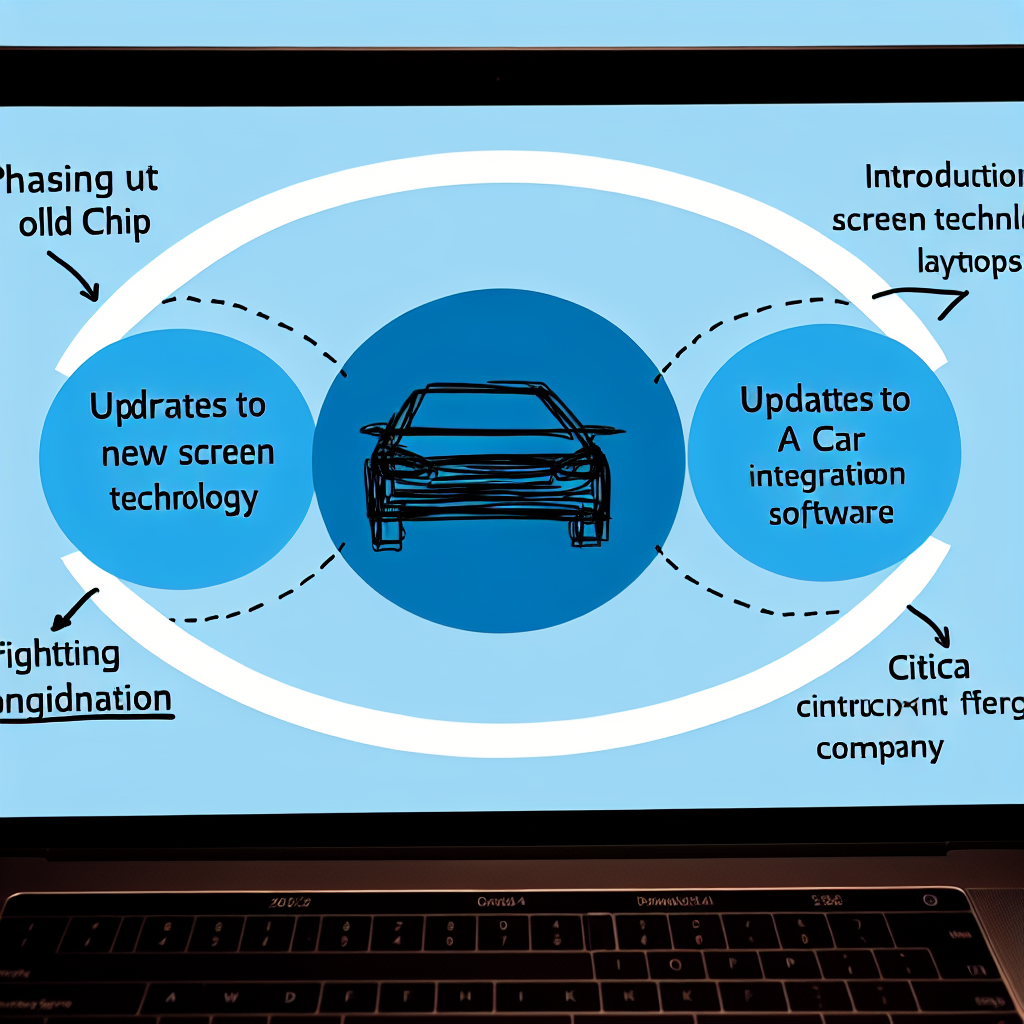
In the fast-evolving world of technology, Apple is stepping into a new era that promises to reshape our computing experience. With a wave of changes just around the corner, it’s crucial to reflect on how these advancements will reverberate not just within the tech community, but throughout our everyday lives. Let’s take a closer look at some remarkable transitions in Apple’s ecosystem: the retirement of Intel chips, the introduction of OLED displays in the MacBook Air, updates to CarPlay, and the ambitious evolution of Siri.
## The Wake-Up Call: Saying Goodbye to Intel Chips
The announcement that macOS 27 will ditch support for Intel chips marks a transition that many tech enthusiasts have speculated about for years. Apple will now stand solely behind its M-series silicon, a line of chips lauded for their performance and energy efficiency. But what does this mean for everyday users?
From a technical standpoint, Apple’s M1 and M2 chips utilize a unique architecture that provides not only impressive speed but also significant energy savings. **Benchmarks** have shown that these chips outperform their Intel counterparts in various compute tasks, leading to longer battery life and enhanced performance in graphics and machine learning applications. For example, users have reported that video rendering tasks are completed in considerably less time compared to Intel versions.
However, change can be daunting. For those of you with older Intel-powered Macs, this shift might raise questions about compatibility with future software. Without a doubt, it’s a push towards progress, but it also threatens to leave some legacy users behind, emphasizing the need for Apple to manage this transition delicately.
## OLED MacBook Air: A Portable Powerhouse
As whispers circulate about the potential debut of an OLED MacBook Air in 2028, one has to wonder how this development could revolutionize portable computing. OLED screens are celebrated for their vibrant colors and superior contrast ratios, features that stand in stark contrast to the LCD screens of yesteryear.
Specifically, OLED technology allows for deeper blacks and brighter colors, leading to more accurate displays for photo editing, video production, and everyday streaming. Imagine editing high-definition videos with precise color accuracy on a sleek, lightweight device! The implications for creatives are enormous—this could significantly enhance the workflow for those in design and media.
Yet, this rise in display technology doesn’t come without competition. The ultrabook market is crowded, and Apple will need to ensure that the MacBook Air’s performance, combined with its eye-catching display, positions it as a front-runner rather than just another option.
## CarPlay: A User Experience Dilemma
Shifting away from more traditional devices, let’s talk about Apple CarPlay. An update on the horizon has many users worried that not only the visual interface but also the usability could dramatically change. Apple’s current interface simplifies the smartphone integration experience within the car, minimizing distractions during driving.
Historically, CarPlay’s success has hinged on its user-friendly design, making navigation, music selection, and communication seamless. As Apple seeks to innovate, the challenge lies in ensuring any new iterations don’t alienate users. The stakes are high—drivers need interfaces that enhance safety, not those that complicate their in-car experience.
## Siri 2.0: A Voice Assistant with Ears?
Perhaps the most intriguing advancement comes in the form of Siri’s partnership with Google Gemini, which aims to upgrade the assistant’s capabilities significantly. Siri has always been a staple in Apple’s ecosystem, but its functionality has often lagged behind competing technologies.
By leveraging a more robust AI framework, Siri could become a game-changing tool, understanding context and delivering responses that feel more like a conversation. Picture this: an assistant that learns not just from commands, but through interactions, delivering personalized suggestions or help over time.
This fundamental shift could redefine how users interact with their devices, speeding up day-to-day tasks and enhancing productivity in an age where time is of the essence.
## Final Thoughts: The Road Ahead
Apple’s upcoming advancements aren’t solely about technology; they’re about how these developments ripple out to impact users. With an end to Intel support, the introduction of OLED displays, the evolution of CarPlay, and enhancements to Siri, Apple is positioned to lead the charge into an exciting and uncertain future.
However, change is a double-edged sword—a balance must be struck between innovation and the needs of long-time users. That leads us to an important question for all tech enthusiasts: how do we embrace new advancements while ensuring that we remain inclusive of those who may not be ready?
As we navigate this increasingly complex tech landscape, share your thoughts on how these changes impact you and your experiences with Apple technology. Are you excited about the future, or do you have reservations? The discussion is just beginning!