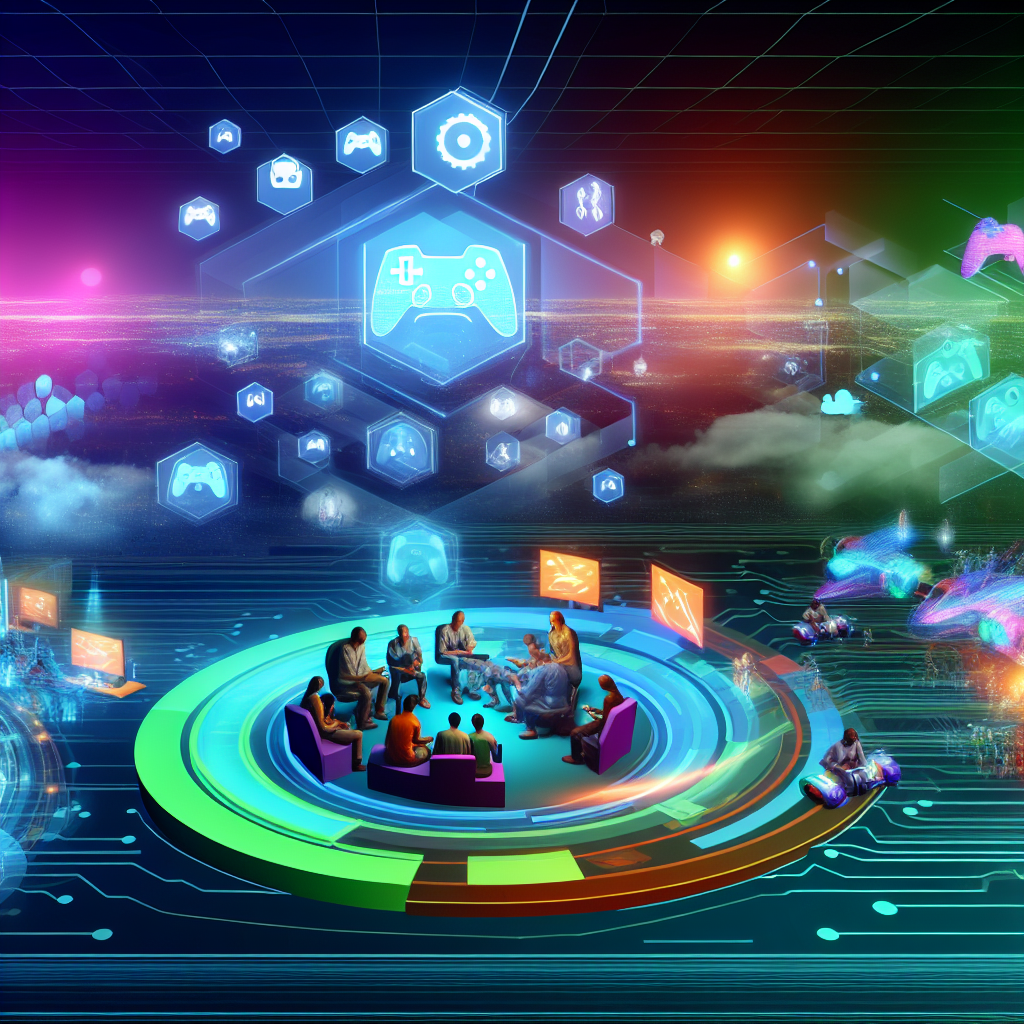
# CTRL ALT PERSPECTIVE: Game Streaming Takes Center Stage – What’s Changing in the Digital Arena
The gaming industry is often a reflection of technological advancements and societal trends, and now, with the meteoric rise of game streaming platforms, a seismic shift is underway. Players are no longer just engaging with games in traditional formats; they’re watching, learning, and interacting in new ways that transcend conventional gaming experiences. Let’s dive into the current state of game streaming and its far-reaching impacts on gaming culture.
## **1. The Streaming Boom: A New Era of Engagement**
Platforms like Twitch, YouTube Gaming, and Mixer have exploded in popularity, becoming the go-to destinations for gamers to showcase their skills and share their gaming lives. These platforms do more than simply host gameplay; they create a unique social environment where interaction among viewers and streamers drives engagement.
### **Live Gaming Experiences**
Real-time interaction, such as live chats, donations, and community events, adds an exhilarating dimension that sets streaming apart from traditional media. It’s not just about watching someone play; it’s about being part of a shared experience. This shift leads to a new breed of fandom where viewers develop connections with streamers, reminiscent of conventional celebrity culture, but grounded in authenticity and community.
## **2. Discovering Games through Streaming**
For many gamers, streams are now a primary avenue for discovering new titles. According to a 2023 survey, over 60% of gamers reported they purchased a game after watching it play live or recorded online.
### **The Power of Influence**
Streamers often serve as informal reviewers and influencers, showcasing gameplay mechanics and highlighting features that can sway consumer opinions. The phenomenon of “let’s plays,” where streamers play through games while providing commentary, has become vital in influencing purchases. Tapping into the emotional connection created during these sessions, viewers feel more informed and connected to their potential purchases, fostering a more immersive buying environment.
### **Emerging Trends**
Moreover, as developers increasingly recognize this influence, collaborations with popular streamers have become a staple marketing strategy. Game launches often come with coordinated “streamer events,” helping to maximize visibility and jumpstart community conversations around new releases. As streaming continues to shape the gaming marketplace, the question arises: how will gaming companies adapt their marketing strategies to capitalize on this trend sustainably?
## **3. Monetization: A Double-Edged Sword**
As lucrative as game streaming may appear for both content creators and developers, it introduces complexities regarding monetization and revenue models. Streamers often rely on donations, subscriptions, and sponsorships, which require them to maintain a consistent and engaging presence.
### **Navigating Monetization Strategies**
For developers, there’s both an opportunity and a challenge. While exposure through streaming can boost sales, it also means companies must consider how streams impact the value of their games. For instance, games that offer minimal replay value may struggle if streamed extensively, as audiences move on to the next trend. Conversely, developers can leverage these platforms for beta testing or feedback loops, using streamers’ insights to refine gameplay before official releases.
### **Regulatory Consideration**
The financial dynamics also necessitate the reevaluation of profit-sharing models and revenue distribution practices. As concerns about fair compensation for creators grow, we see the potential for industry-wide shifts that advocate for a more equitable approach to revenue sharing between developers and streamers.
## **4. Cultural Shifts and Community Building**
The current landscape emphasizes the importance of community in gaming. Streaming platforms empower individuals to create spaces for diverse voices within gaming, promoting inclusivity and representation.
### **Fostering Inclusivity**
Streaming communities often rally around shared interests or identities, from gameplay genres to personal backgrounds. This inclusiveness fosters a sense of belonging that resonates deeply with many users, proving that gaming culture can be a bridge rather than a barrier. As gaming communities become more diverse, it’s crucial to nurture a safe and supportive environment that prioritizes respectful engagement.
## **5. The Future of Game Streaming: What’s Next?**
As game streaming integrates itself further into the gaming fabric, we may see technological advancements that elevate the experiences even more. Features like virtual reality streams or enhanced interactivity could redefine the boundaries of play and viewership.
### **Emerging Technologies**
Looking ahead, AI-driven technologies may personalize streams according to viewer preferences, adapting gameplay or commentary to fit diverse interests. The rise of cloud gaming can also lower the entry barrier, enabling anyone to hop into a game effortlessly and participate in the streaming culture.
### **A Democratized Gaming Future**
The ultimate question remains: how will the gaming industry maintain a balance between profitability and community wellbeing as these platforms grow?
## **Takeaway: The Interactive Evolution of Gaming**
Game streaming is not just a fad; it’s a transformative force that is reshaping how we engage with and experience video games. As this trend blossoms, it compels developers to think critically about their approach to marketing, community building, and ethical considerations regarding monetization.
In this intricate tapestry of gaming culture, it’s essential for all of us—gamers, developers, and streamers—to remain aware of our roles and impacts. What do you think the rise of game streaming means for the future of gaming culture? How do you believe your gaming experiences will evolve alongside these changes?