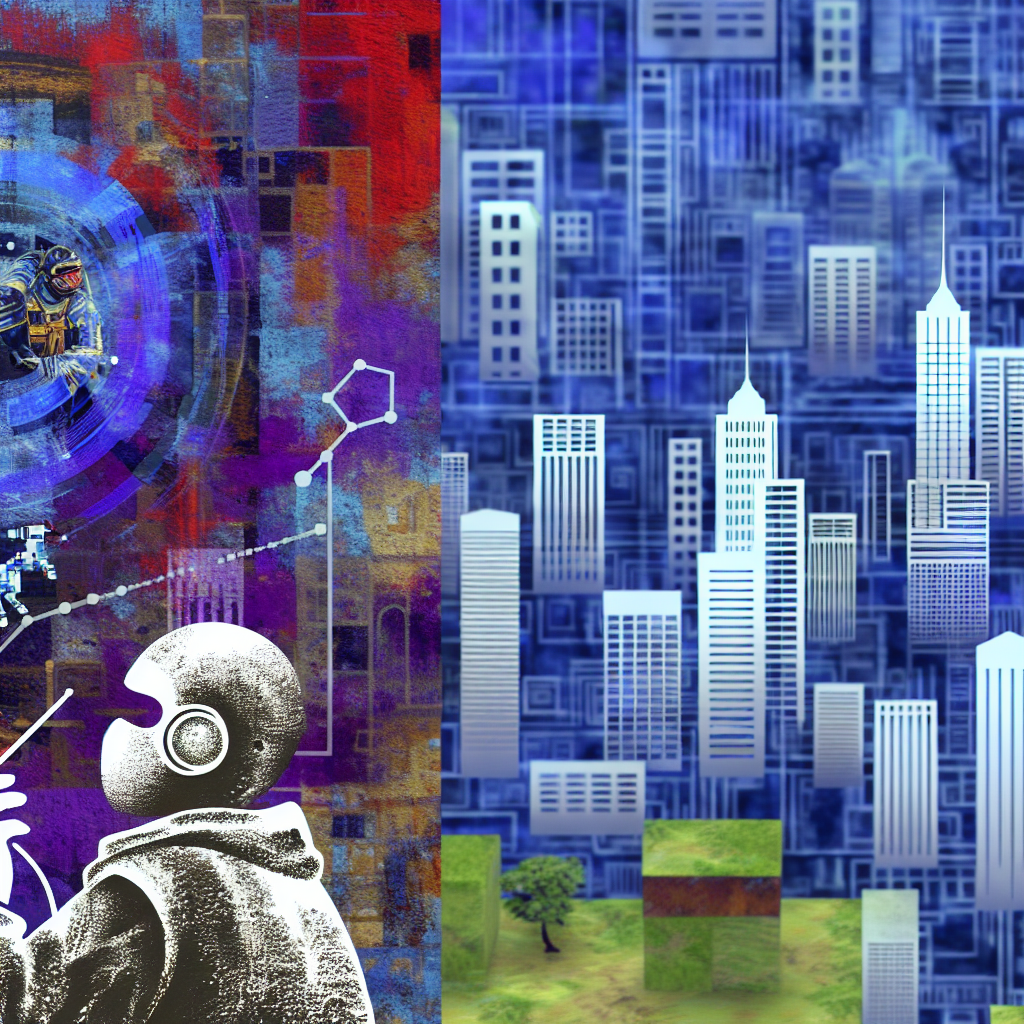
# **The Modern Gaming Dilemma: Show vs. Play**
## Introduction: The Balancing Act of Gameplay and Narrative
As our collective love for gaming continues to grow, there seems to be a recurring narrative around the mechanics we cherish. A trend has emerged where developers grapple with the desire to create immersive experiences while simultaneously keeping players engaged in the mechanics of gameplay. Insomniac’s recent hit, *Spider-Man 2*, serves as a perfect case study. The game is fun but raises essential questions: Are we getting too caught up in interactivity at the expense of narrative flow? Should some moments simply be shown, not played?
## The Illusion of Interactivity
In *Spider-Man 2*, players find themselves sneaking around Peter Parker’s high school or exploring Harry Osborn’s science projects—and at times, it feels more tedious than thrilling. On a surface level, these activities foster character development, but when you zoom out, they overshadow the very essence of what players signed up for: swinging through the city as Spider-Man.
These segments, though designed to deepen engagement, often include trivial tasks that feel more like time sinks than enriching experiences. Much like in *Robocop: Rogue City*, where you’re tasked with mundane activities like delivering a get-well card or fixing server issues, the payoff feels inconsequential.
## Distracted from What Matters
What stands out in Insomniac’s approach is an eagerness to avoid cutscenes, which is paradoxical. Instead of letting cinematic moments stand alone—where the narrative could thrive—developers have inserted poorly conceived interactive sequences that disrupt the gameplay flow. What is intended to build depth often morphs into a frustrating gimmick that detracts from the overarching experience.
The juxtaposition can turn enjoyable gameplay into a chore. For instance, when you’re compelled to partake in mundane activities rather than soaring through bustling New York City, it serves as a moment of reflection for many gamers: is this really what we want?
## Rethinking the Role of Mechanics
This phenomenon isn’t just a pitfall in *Spider-Man 2*; it’s indicative of a broader trend in gaming. With developers feeling the heat to design experiences that seamlessly blend storytelling and interaction, an imbalance emerges. The focus often sways towards overly interactive elements that fail to captivate players.
It’s not that interaction is inherently negative—indeed, look at the beginning of *Half-Life 2*, where the intro is expertly crafted to immerse you in an apocalyptic world. The difference lies in quality and intention: an engaging narrative can thrive without constant gameplay interruptions.
## Finding Efficiency in Storytelling
Moving forward, the challenge lies in refining the interactive aspects of narrative-driven games. This doesn’t mean we should revert to an era dominated by cutscenes but rather strive for a more balanced approach that prioritizes a meaningful story with dynamic player engagement. It begs the question—can developers marry these two elements more effectively?
To achieve that, consider the potential of meaningful mini-games or engaging side quests that genuinely add value to the storyline. Rather than flooding narratives with inconsequential tasks, let’s reward players with rich, immersive experiences that do not sacrifice fun for the sake of interaction.
## The Call for Narrative Integrity
As an audience, we crave experiences that resonate with us—even if it means sitting back and enjoying the ride. Insomniac may have transitioned into an era of “play it to believe it,” but the truth is, some moments deserve to be shown, not played. The best stories leave room for the imagination, offering snapshots that allow us to breathe, reflect, and genuinely absorb the narrative.
## Takeaway: A Balance Worth Finding
In a tech-savvy world with millennials and Gen Z at the helm, it’s crucial to engage in conversations about game design. How can developers avoid the trap of over-interactivity? Embracing more cinematic moments doesn’t weaken a game’s immersion; it can enhance gameplay by allowing players to feel invested in a story without interruptions.
The discussion around *Spider-Man 2* urges us to keep questioning the norm. As the gaming ecosystem evolves, let’s champion a balance between gameplay and narrative—one that respects the player’s time while crafting engaging stories worth telling.