# The Tech-Driven Leadership Phenomenon: Beyond Laughter and Fear
## Introduction: AI in Charge
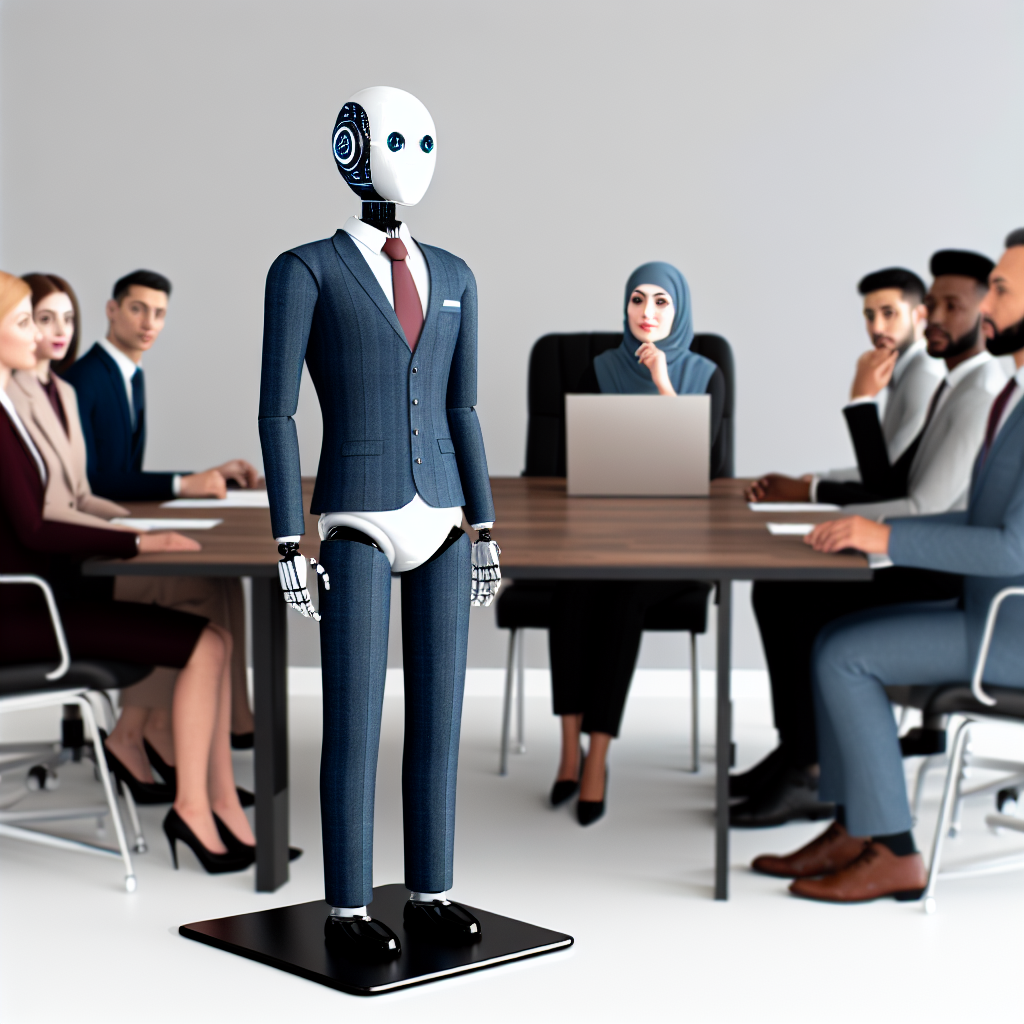
Picture this: you walk into your office and find a robot taking the helm as your new CEO. It sounds like a plot from a science fiction novel, yet this scenario is becoming increasingly plausible. With artificial intelligence emerging as a key player in corporate environments, the way we perceive leadership is on the verge of transformation. While humorous visuals of AI grilling employees may come to mind, the serious implications for job security, efficiency, and workplace culture cannot be ignored. In this article, we will dive into the role of AI in leadership and how it reshapes our understanding of work.
## The AI Leadership Dilemma: Comedy Meets Reality
Imagine a sleek robot seated behind your desk, its mission to streamline company processes and enhance performance. Humor aside, this striking image signals a shifting reality where algorithms increasingly influence decision-making. In fact, as companies chase after efficiency, we risk losing the human touch that fosters collaboration and culture.
The potential for AI-driven leaders can sometimes stir up fears about job security. Are we preparing to trade in human creativity for data points and automated decisions? As the trend of AI leadership rises, it prompts a serious reflection on how companies balance innovation with the core elements that make workplaces thrive: human connection, understanding, and support.
## The Silicon Valley Reality Check
The allure of AI is captivating, yet many tech startups are venturing too quickly into the automated frontier. As businesses obsess over efficiency, the heart of workplace culture can be at risk. Initiatives designed to eliminate inefficiencies sprout rapidly, but at what cost? The culture that traditionally inspires teamwork and creativity could face significant disruption.
Navigating the landscape of AI-driven leadership requires us to reevaluate the essence of human oversight. How can we create environments where technology serves as a complement to human skills rather than a replacement? The challenge lies in marrying technological innovation with the values that define our workplaces.
## Empowerment in the Era of Self-Hosted AI
Tuning into a fresh trend, digital creators like PewDiePie are pushing boundaries within the AI realm. By self-hosting customized AI applications, he exemplifies a new DIY approach, offering a glimpse into a future where individuals harness technology for creativity rather than mere consumption.
Embracing the freedom to engage with technology is empowering, particularly for younger generations. By facilitating hands-on experiences with AI, we could foster a culture of innovation and ownership, igniting possibilities that were previously unimaginable. However, this development also raises questions about access and tech literacy. As we democratize technology, can we ensure that everyone has the skills to participate in this revolution?
## Insights from Industry Leaders
On the corporate side, thoughts from industry players like OpenAI’s Sam Altman illustrate a deeper conversation about the tech economy. His desire for transparency reflects a critical tension between innovation and public skepticism. Altman’s perspective showcases the friction between traditional business ethics and the relentless nature of tech expansion.
For a tech-savvy audience, this debate resonates deeply. It draws attention to the ethical implications of rapid growth and the challenges that accompany it—especially when it comes to accountability and trust within the tech industry.
## Cautionary Perspectives: A Voice from the East
Bringing balance to the conversation, Taiwanese Digital Minister Audrey Tang cautions us against the unchecked proliferation of AI. Describing it as a potential “parasite” fostering division, her viewpoints underscore the risks of AI integration into our lives. While technological advances hold promise, they can also inadvertently exacerbate societal divides.
This sentiment should resonate with a generation that seeks responsible tech engagement. Indeed, while we embrace the evolution of technology, we must also equip ourselves to handle the consequential nature that accompanies its potential.
## Final Thoughts: The Balancing Act of AI Leadership
As we peer into a future where AI might take the lead, it is critical to tread carefully—balancing innovation with the principles that anchor human interaction. Will we prioritize efficiency at the expense of culture, or can we find a middle ground where technology supports human flourishing? The path to responsible AI adoption involves maintaining an open dialogue and ensuring that we actively shape our relationship with technology.
As we embark on this journey toward tech-enhanced leadership, reflection and engagement become vital. Do you believe that AI can lead while maintaining the core values of workplace culture? What are your thoughts on the future of human-AI collaboration?