# Ctrl Alt Perspective: Embracing Nostalgia in Gaming Technology
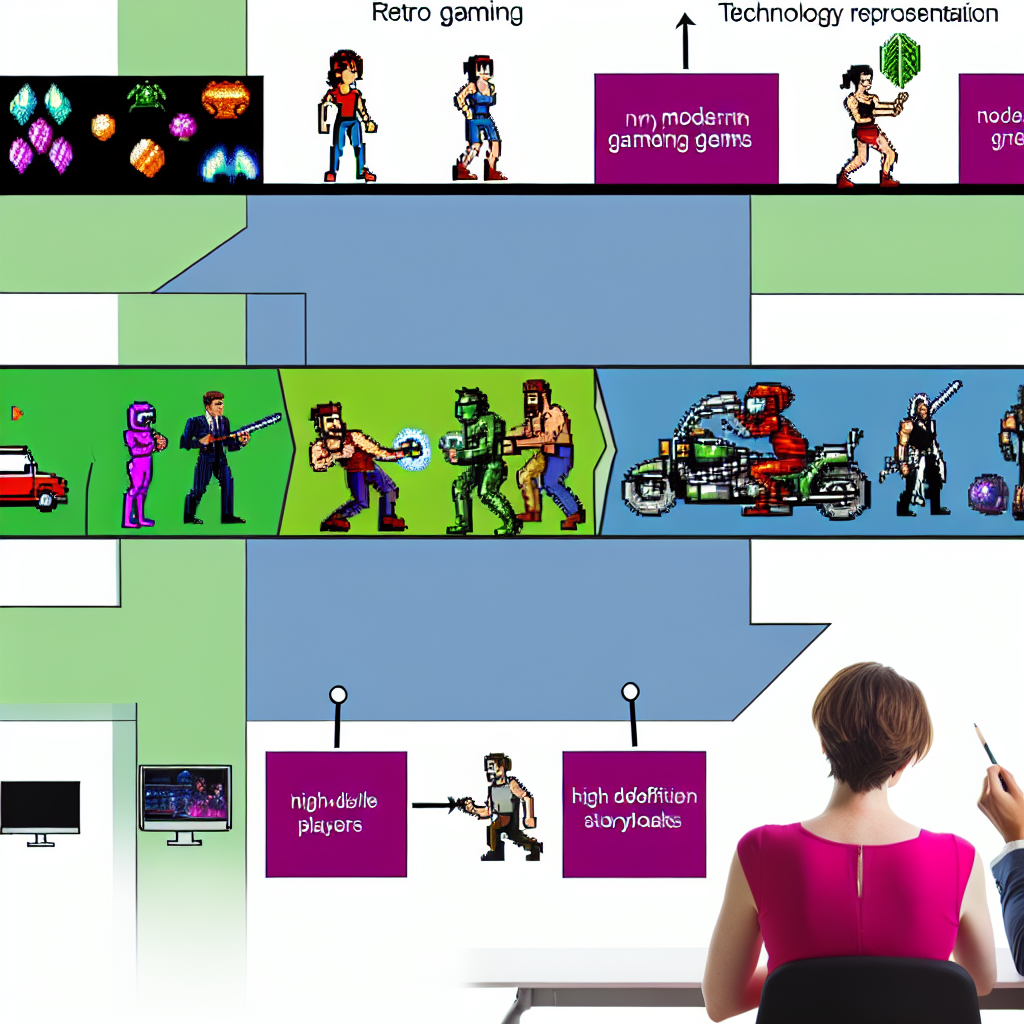
In a world captivated by cutting-edge technology, perfecting the visual spectacles of gaming, and the relentless quest for immersive experiences, it becomes crucial to reconsider the roots that have shaped our digital playground. Often, young gamers from Gen-Z and millennials overlook the retro classics that laid the groundwork for today’s advancements. The nostalgia associated with these gems serves not only as a link to the past but also as a means of understanding the current industry trends and innovations.
## The Nostalgic Impact of Gaming Communities
In the age of rapid evolution and constant innovation, community platforms like Discord have changed the landscape for creators and gamers alike. The #self-promotion channels found in numerous Discord servers have empowered users to showcase their work, bridging gaps between creativity and audience engagement. Unlike traditional platforms, the community-driven model of Discord encourages a collaborative spirit rather than a competitive one. Gamers and creators are able to share their latest endeavors—be it a blog post illuminating a nostalgic title or a Twitch stream highlighting classic gameplay mechanics.
This approach not only provides a space for self-advancement but at its core reinforces the idea of mutual support. A sense of belonging is vital in nurturing talent and passion. This interconnectivity has created a renaissance in retro gaming culture, reviving interest in bygone eras and instilling a deeper appreciation for the craftsmanship of earlier titles.
## Why the Six-Button Controller Still Matters
Reflecting on iconic consoles like the N64 and Sega Saturn presents a question that still perplexes many: Why hasn’t the six-button controller gained standard status in modern gaming? These controllers, which provided the fantastic potential for greater control options, were an innovative response to the increasing complexity of gaming mechanics. The flexibility offered by extra face buttons allowed for the tailoring of gameplay without the common “claw grip” that many gamers had to adapt to later on.
The introduction of the six-button layout was an evolution, not just in terms of hardware, but also gameplay dynamics. As the gaming environment shifted to focus on more streamlined designs, this innovation faded. Many gamers today yearn for the versatility that was once a hallmark of gaming hardware. This oversight is particularly disheartening for fans of classic titles, where these six buttons became integral to gameplay. Imagine how a simple decision in controller layout could have transformed the gaming experience for genres that rely heavily on fast-paced action and intricate gameplay.
## Clash of Classics: Virtua Racing vs. Star Fox
Among retro gaming enthusiasts, debates often arise on the merits of beloved titles like Virtua Racing and Star Fox. Through the lens of technical innovation, each title stands as a testament to geographical and conceptual boundaries pushed during their development.
Virtua Racing offered players revolutionary 3D graphics, setting the tone for racing games and influencing how developers approached graphics. Meanwhile, Star Fox was a remarkable leap forward in narrative gameplay and character design, captivating audiences with its intertwining of storytelling and cutting-edge graphics of the time.
Both games depict different facets of the gaming experience—one honing in on visual thrills, while the other explored immersive storytelling. The question of preference boils down to individual nostalgia and what players seek in their gaming diet. Discussions around these classic titles not only fuel enthusiasm among gamers but also invite them to delve into history to extract significance from past innovations.
## The Complexity of “Bad Endings”
As narratives within gaming continue to mature, the concept of “bad endings” becomes increasingly prevalent, challenging the norms of traditional storytelling. Unlike the predictable triumphs seen in many contemporary narratives, games that deliver purposefully grim conclusions compel players to reflect on their choices and moral standings within the game.
For instance, Streets of Rage illustrates this concept vividly. Players face a poignant choice that ultimately leads to conflict between allies against a backdrop of cooperation. This harsh narrative twist not only pulls at emotional strings but also transforms the gaming experience into a metaphorical mirror of real-world dilemmas.
This intertwining of gameplay with darker narratives fosters deeper engagement, inviting players to ponder on consequences beyond mere win or lose scenarios. They challenge us to explore moral ambiguity—the complexities of decisions and their ramifications, all encapsulated within the pixels of a game.
## Retro Reminders in Pop Culture
Detecting nostalgic elements in modern pop culture serves as a bridge connecting today’s audience with the rich history of gaming. Classic sitcoms like The Drew Carey Show provide delightful glimpses into the past, with retro consoles like the Sega Saturn making impromptu appearances. These nostalgic snapshots offer a time capsule effect, anchoring viewers to an era when gaming was beginning to carve its niche in popular culture.
Such references not only evoke fond memories but remind us of nurturing creativity that influences both technology and media. As younger generations face an increasingly fast-paced digital ecosystem, these reminders underscore the cultural significance of gaming and facilitate a richer understanding of its legacy.
## Conclusion: Navigating Between Past and Present
In concluding our exploration of today’s gaming culture, we recognize that nostalgia is a powerful tool in understanding the present. Whether through community engagements, controller layouts, narrative complexities, or pop culture references, gaming has morphed into a rich tapestry woven with threads of the past. It behoves us to cherish and critically assess this history as we advance into an ever-transformative future.
### Takeaway
Gaming is not just about cutting-edge technology; it’s a multifaceted journey that signifies the evolution of culture, creativity, and collaboration. As enthusiasts, how can we leverage our connections with these retro influences to shape the gaming landscape for the next generation? What experiences have left an indelible mark on your gaming journey?