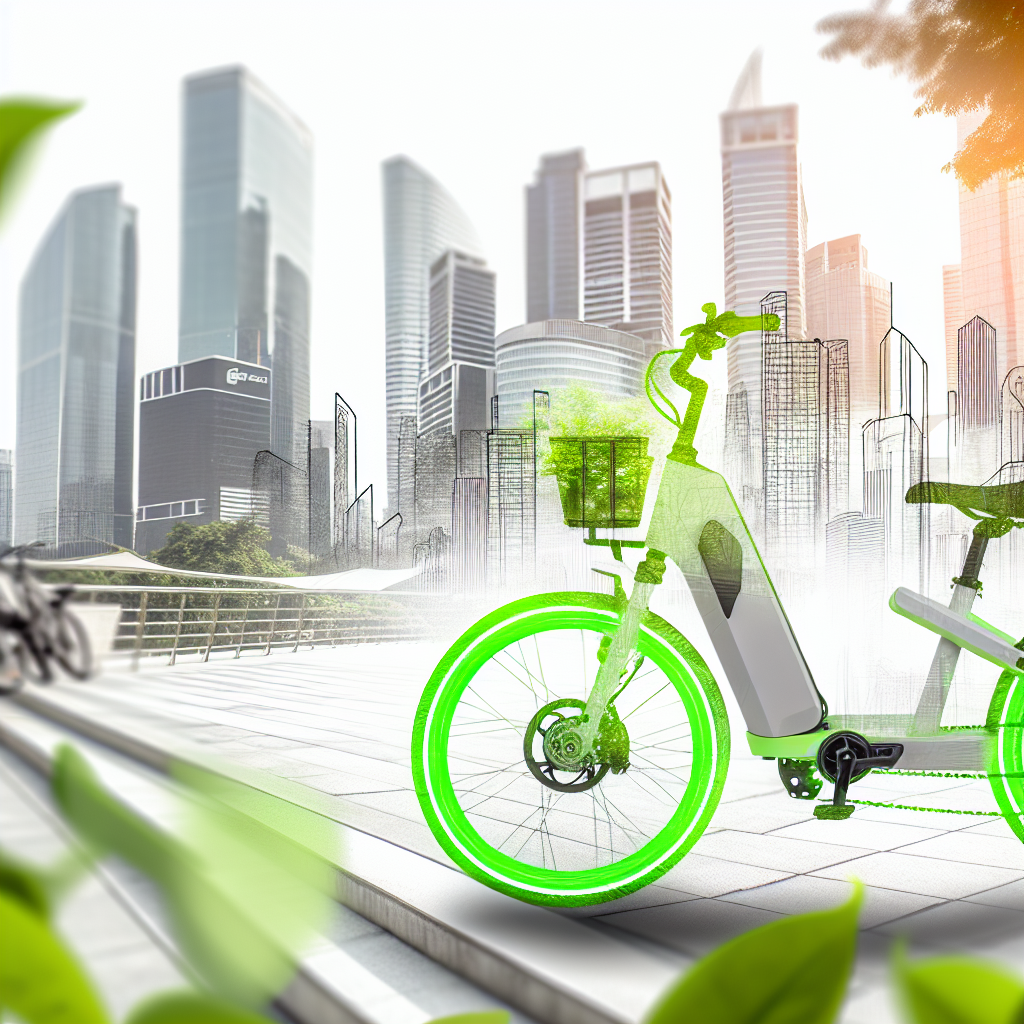
# Ctrl Alt Perspective: The Electric Bike Revolution and Its Urban Impact
In the continuously evolving landscape of urban transportation, the electric bike thrives as both a solution to the notorious traffic jams plaguing our cities and a sustainable alternative to traditional vehicles. As we delve into the tech driving this transformation, it’s impossible to ignore the buzz surrounding the Luckeep x r/Gadgets giveaway, providing a chance to own the Luckeep C27 e-bike. But this article goes beyond the giveaway; it assesses the broader implications of e-bikes on urban life.
## The Rise of E-Bikes in Urban Landscapes
Electric bikes, or e-bikes, are not merely gadgets—they symbolize a profound shift towards modern urban mobility solutions. According to recent studies, the global e-bike market is anticipated to reach a staggering $38.5 billion by 2025, driven by increasing consumer preference for convenient, eco-friendly commuting options. The Luckeep C27 embodies this paradigm shift, combining style and practicality to cater to the needs of diverse urban riders.
As cities become denser, traditional vehicles face relentless congestion and parking limitations. E-bikes offer a more sensible option: they are agile, require less space, and can easily navigate through tight spots. This lightweight and step-thru design, which characterizes the Luckeep C27, makes it particularly user-friendly—opening the door for a wider demographic, from busy professionals to families eager for efficient transportation.
### Technical Insights: The Mechanics of E-Bikes
To truly appreciate electric bikes like the Luckeep C27, it’s essential to understand how they work. At their core, e-bikes use an electric motor powered by rechargeable batteries that assist pedaling. The Level of assistance can vary—allowing riders to tailor their experience based on terrain and personal fitness levels. The C27 features innovative technologies such as:
– **Hydraulic Disc Brakes:** Providing superior stopping power compared to traditional mechanical options, these brakes work effectively in various weather conditions, instilling confidence in riders.
– **Front Suspension Systems:** This feature enhances comfort by absorbing shocks from uneven surfaces, making urban rides smoother regardless of potholes or curbs.
– **Integrated Lighting Systems:** Safety is paramount, especially in urban settings. Integrated lights improve visibility for evening or early-morning commuters, reinforcing the notion that e-bikes prioritize rider security.
### Versatility Meets Convenience
One of the most striking aspects of the C27 is its adaptability. The rear seat and integrated footrests highlight family-oriented usability, embracing the evolving dynamics of urban life where families are increasingly opting for multi-modal commuting options. As commuting becomes more chaotic, the ability to secure groceries, transport children, or run errands with ease becomes a pivotal selling point. Customization options further allow users to transform their e-bike experiences, ensuring the vehicle meets their unique needs. But how does this adaptability align with societal views on ownership and consumerism?
### Sustainability and Environmental Considerations
In discussions of future mobility, e-bikes present a greener option, reducing air pollution and offering an alternative to fossil fuel reliance. As cities reckon with climate change implications, sustainable transport solutions like the Luckeep C27 not only contribute to personal convenience but also promote collective accountability towards environmental stewardship.
The question we face now, however, is whether we view electric bikes merely as a transportation alternative or as an integral part of a wider shift toward sustainable urban living.
### Real-World Impact and the Future of Commuting
The urban commute is evolving; commuters are now more informed about their choices and demand systems that are not only effective but enjoyable. The rise of e-bike usage points to an emerging culture around sustainability, community involvement, and lifestyle consideration. Furthermore, e-bike-sharing initiatives in many cities create an inclusive infrastructure that encourages people to explore eco-friendly commuting without the barriers of ownership.
As e-bikes become more commonplace, we must also assess the implications of these shifts. Will urban infrastructure adapt to accommodate this new standard, or will we continue to face challenges that stymie e-bike integration?
### Takeaway: Join the Conversation
In conclusion, the emergence of electric bikes like the Luckeep C27 provides both an exciting opportunity and a formidable challenge for urban populations navigating increasingly congested landscapes. The blend of innovation and practicality encourages a broader discourse on urban mobility’s future. As we embrace this wave of transportation, the question remains: how will our individual choices in technology shape our cities for generations to come? I invite readers to share their thoughts and experiences with e-bike usage—do you see them as a viable solution for urban commuting, or are there concerns that we must address before embracing this technology fully?