# Ctrl Alt Perspective: Nostalgia and the Modern Gaming Landscape
## Intro
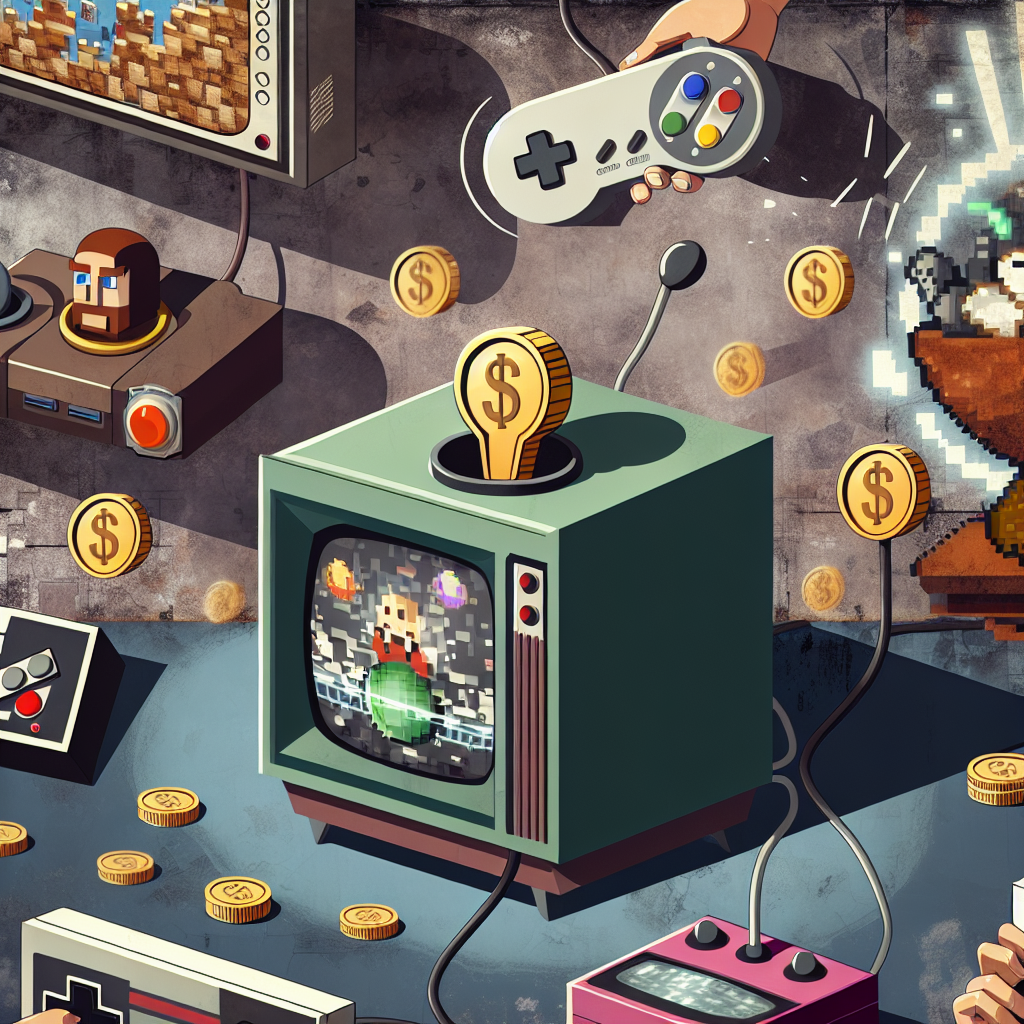
In the ever-evolving landscape of gaming, a curious trend has emerged: the rise of retro-inspired games. Many developers—from small indie studios to large AAA giants—are tapping into nostalgia for the pixelated past. But is this trend a flagrant rehash of beloved classics, or is it a genuine tribute to the artistic roots of gaming? As everyday gamers, we must explore this phenomenon critically. Are today’s retro games enriching the gaming experience, or are they merely a clever marketing strategy aimed at invoking our childhoods?
—
## The Allure of Retro Gaming
Platforms like Steam are flooded with games proclaiming to be “retro-inspired” or “throwbacks to the classics.” Titles like **Shovel Knight** and **Celeste** successfully harness nostalgic elements while also innovating gameplay mechanics. Their low-fi aesthetics echo the 8-bit and 16-bit eras, but they also introduce fresh ideas that go beyond mere replication.
This allure, however, creates a dilemma: many developers chase after the retro label for commercial gain rather than creative conviction. With tools such as RPG Maker allowing anyone to create a game, the temptation to coat mediocre design in retro graphics becomes real. The market rewards familiarity, and thus originality risks becoming an overlooked virtue in the sea of pixelated aesthetics.
—
## Passion Projects vs. Derivative Copies
When a game reflects genuine passion and a deep connection to its influences, players can feel the difference. Titles like **Hollow Knight** and **Cuphead** shine not just because they adopt retro graphics but due to the innovative gameplay they incorporate. Their level designs are intricate, their mechanics tight, evoking the spirit of the games that preceded them while carving out their distinct identities.
Conversely, it’s easy to spot games that lack substance, offering only a façade of retro graphics layered over repetitive gameplay. These experiences may charm for a moment, but they often leave players wanting. They’re like a costume party devoid of personality, failing to ignite any real engagement.
—
## The Risk of Aesthetic Overload
The ubiquity of retro aesthetics in gaming mirrors trends seen in other entertainment sectors, such as cinema and music. The rapid adoption of synthwave soundscapes in sci-fi films creates a saturation effect that can dull their unique charm. This phenomenon raises questions about the motives behind these aesthetic choices: Are developers genuinely inspired to push the craft forward, or are they reciting a familiar commercial script?
—
## The Power of Emotional Connection
Nostalgia plays an immense role in gaming culture. Many players have cherished memories of gaming marathons during childhood—Saturday mornings lost in the worlds of **Super Mario Bros.** or late nights with **Final Fantasy**. Developers often harness this emotional resonance, which can lead to indulgently forgiving lackluster gameplay as nostalgic memories flood in.
However, this is a double-edged sword. The ability to artificially create nostalgia can mask deeper issues in game design. Remakes and remasters of beloved franchises promise to honor their legacies but can also fall prey to disingenuous motivations, raising the question of whether time-honored titles are truly being respected or merely exploited for revenue.
—
## The Future of Gaming: A Pastiche of the Past
The nostalgia trend in gaming is here to stay, intricately woven into the industry’s fabric. In tandem with rapid technological advancement, gamers are evolving; we now seek not just recognition of the past but also innovation and authenticity.
As we navigate this nostalgic landscape, consider this: the next time you play a retro-inspired game, ask yourself—does it resonate with genuine innovation and sentiment, or is it merely a convenient cover for a lack of creativity? By critically examining these games, we not only elevate our gaming experience but also challenge the industry to continually innovate, ensuring it respects its roots while forging ahead into a brighter future.
—
In conclusion, the fine line between nostalgia and exploitation in the gaming world leaves us with an important question: how can we, as gamers, best advocate for more thoughtful and innovative designs while navigating through the nostalgia-saturated landscape? How does nostalgia affect our buying choices, and what implications does that have for the future of gaming design?