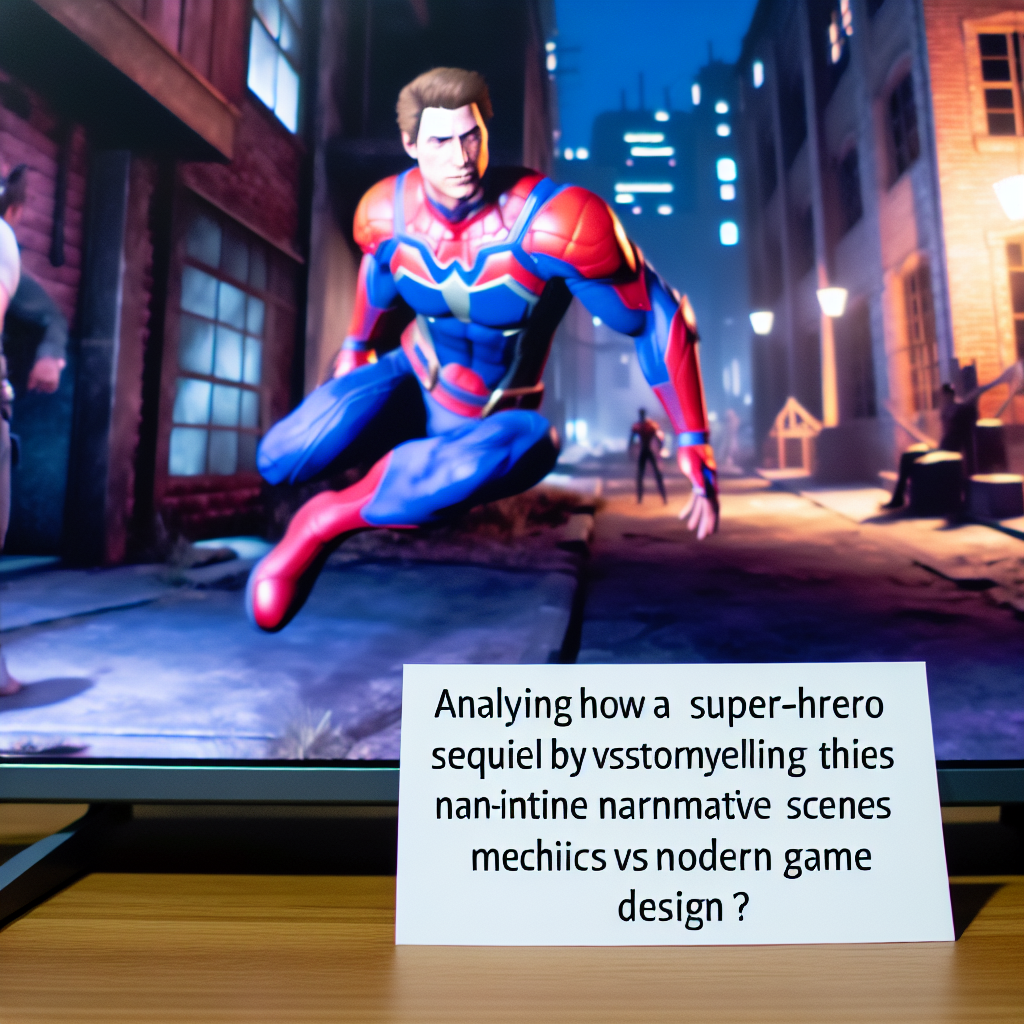
# Rethinking Storytelling in Games: The Spider-Man 2 Experience
The evolution of gaming has brought forth a fascinating dilemma: how do developers create a balance between an engaging storyline and thrilling gameplay? Insomniac’s latest offering, *Spider-Man 2*, forces us to reconsider the effectiveness of traditional storytelling methods in gaming. As we delve deeper, I ponder whether the time has come for developers to rethink how they deliver narratives—are we sacrificing gameplay for story depth?
## The Cinematic Shift in Gaming
The current gaming landscape reflects a noticeable trend towards cinematic experiences. Developers are increasingly focused on delivering games that not only engage players but also feel like unfolding movie plots. However, this push for cinematic storytelling often runs the risk of overshadowing a key aspect of gaming: the gameplay itself.
In *Spider-Man 2*, players are treated to sprawling web-swinging scenes and exciting combat, but they are also subjected to segments that tie into Peter Parker’s life—such as school sneaking operations and mundane task assistance for his friend, Harry Osborn. These scenarios, while seemingly aimed at enriching character development, sometimes feel like they strip away the key exhilaration players crave—the sheer joy of controlling Spider-Man in a vibrant city.
## The Challenge of Engagement in Gameplay
The immersion experienced in many contemporary games is often marred by what can be termed ‘fake engagement’. A familiar grievance in titles like *Robocop: Rogue City* is the prevalence of distracting side activities that serve as mere intermissions rather than true gameplay experience. Whether it’s delivering ‘get well’ cards or completing server fixes, moments that demand player attention yet provide little excitement or narrative depth can detract from the overall experience.
For instance, *Spider-Man 2* includes tasks like observing mundane scenarios such as people on a roller coaster or juggling fetch quests. These moments risk feeling like filler, defeating the purpose of an action-packed narrative that promises intense gameplay.
## Evaluating the Role of Cutscenes
My apprehension doesn’t stem from a desire for more cutscenes in gaming; rather, it’s about identifying when they serve a vital role in storytelling. There are instances where a compelling cutscene does a far better job of delivering emotional weight than attempting to fulfill that through gameplay mechanics alone.
Think of games such as *Half-Life 2*, where the introduction masterfully uses interactivity to engage players while effectively setting the stage for the story. The thrill lies not just in the action but in how players invest in the story’s development. Conversely, *Spider-Man 2* risks losing its momentum through excessive gameplay that feels less engaging, leaving players pondering the necessity of interruptions.
## The Balance of Story and Gameplay
With *Spider-Man 2* showcasing a rich narrative, it’s essential to recognize that gameplay is not just a means to fill time; it should enhance the player’s emotional experience. Balancing moments of interactive gameplay with story development is crucial to maintaining player engagement. When this balance is disrupted by unnecessary tasks or overly convoluted mechanics—what I refer to as “fake engagement”—it can lead to frustration that diverts players from the immersive experience they seek.
Instead of relying on uninspired mini-games or trivial tasks, developers should think creatively about immersion strategies that enhance storytelling without breaking the flow. Successful interactive elements can captivate players and propel the narrative forward effectively, keeping them connected to the gameplay.
## Moving Forward in Game Design
As the gaming industry progresses, there’s a clear need for developers to reevaluate their narrative delivery. While the aspiration for cinematic experiences is commendable, there are moments when simplicity can yield better outcomes. *Spider-Man 2* serves as a reminder of the necessity for a more intelligent equilibrium between narrative and gameplay.
Two key takeaways arise from this exploration. First, it’s essential to recognize the potential of cutscenes for deliberate storytelling that resonates with players. Second, when gameplay aspects hinder narrative flow or add minimal value, it may be wiser to lean on the strengths of traditional storytelling methods.
As both a gaming enthusiast and an analytical observer, I remain optimistic that future titles will absorb these insights. By maintaining a focus on effective engagement methods—through gameplay or cinematic moments—developers can invite players into a meticulously crafted world that is both dynamic and engrossing, without tedious interruptions.
Ultimately, we wish our games to inspire active involvement, elevating characters and narratives into compelling gameplay experiences. In this ever-evolving landscape, we must remember that the essence of gaming should always be to let players revel in the exhilaration of play without unwarranted disruptions.
## Question for Reflection
As we continue to see a blend of cinematic storytelling and interactive gameplay in gaming, how do you think developers can find the right balance to enhance player experience without compromising the core elements of gameplay? What innovations do you foresee shaping this landscape in the coming years?