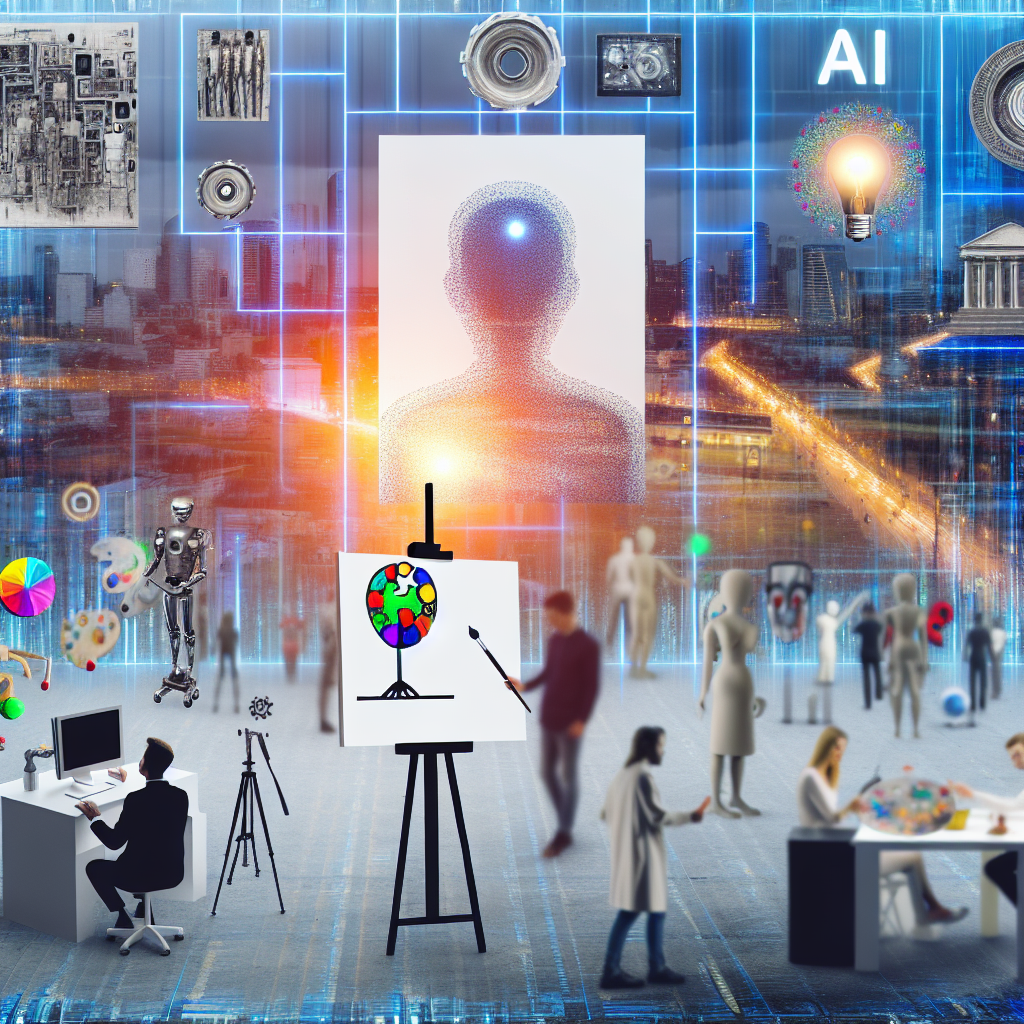
# Ctrl Alt Perspective: Navigating the AI Landscape
## Introduction
As we traverse through a technological era driven by artificial intelligence (AI), the landscape of our everyday lives is changing in profound ways. From the very structure of our workplaces to the core of our creative endeavors, AI’s revolutionary presence continues to spark debates and provoke thoughts among millennials and Gen-Z tech enthusiasts. Is it all about efficiency and optimization, or are we witnessing a larger existential shift in the nature of work and creativity? Let’s unpack the nuances of AI’s impact, balancing enthusiasm with a critical lens.
## The AI Employer Dilemma
Picture a future where the head of your company is an algorithm, a digital entity calculating metrics and streamlining operations. This concept is not as far-fetched as it sounds. The premise of replacing human leadership with AI is already materializing as businesses look to maximize operational efficiency. A recent anecdote revealed a company that humorously, yet disturbingly, installed an AI as CEO—its first order of business was to interrogate employees about their productivity metrics. While this scenario elicits laughter, it engenders a serious concern: Are we on the verge of losing our roles to machines designed to optimize every aspect of business?
The anxiety surrounding job displacement is palpable, especially among tech-savvy individuals who might suddenly find their skills considered redundant. This trend of AI permeating workplaces raises questions about labor dynamics and the potential disappearance of the human element from decision-making processes. It’s essential to explore the ethical considerations and personal ramifications of creating reliance on algorithms, hinting at a possible dystopian work environment.
## Peer-to-Peer: AI Engagement Elevated by Influencers
In contrast to the somber implications of AI leadership lies a more playful and constructive engagement within the tech community. Enter PewDiePie, the renowned YouTuber leading a wave of innovative creativity through AI. His recent venture involves creating modded AI models that pit various chatbots against each other in conversation contests. This battle of digital minds exemplifies a democratized approach to AI technology—where individuals can take on the role of creators rather than mere consumers.
This trend is pivotal in fostering an environment where enthusiasts feel empowered to explore and manipulate AI technology. The battle of bots underscores a shift in tech culture; it invites participation, encouraging budding developers and tech aficionados to dive into coding and experiment with these powerful tools. As creators are emboldened to push the boundaries of innovation, it inspires a younger generation to participate actively in the tech landscape rather than passively consume information.
## The Polarizing Facet of AI
While engaging stories from influencers create excitement, the sobering words of Taiwanese digital minister Audrey Tang remind us of the darker sides of this technology. Describing AI as a potential “parasite” that feeds into societal divides, Tang’s viewpoint highlights a significant concern: AI not only influences communication but can amplify existing polarization in society. This trend resonates particularly with a generation that has grown up navigating a digital landscape often dictated by social media algorithms that prioritize sensational content over nuanced discussion.
With the alarming rise of misinformation and echo chambers, Tang’s perspective prompts us to critically evaluate our platform interactions. Are we allowing AI to shape meaningful dialogues, or are we unwitting accomplices to miscommunication and disconnection? Understanding these implications is essential for harnessing AI’s capabilities while fostering healthy and constructive exchanges in society.
## Corporate AI: A Test of Authenticity
Shifting our focus to the corporate domain, companies like Coca-Cola are leveraging AI in marketing, ostensibly to produce more relatable content. Yet, a fundamental question arises: Can an algorithm genuinely encapsulate the complexities of human emotion, especially during the holiday season when authenticity takes on new significance?
The ongoing tension between AI-generated marketing and human-driven storytelling underscores a growing consumer demand for connection. As brands navigate the complexities of emotional engagement, we must reflect: How will consumer sentiment change if brands rely heavily on AI for storytelling? The risk is a drift toward soulless commercial strategies that might alienate, rather than engage, audiences seeking authenticity in corporate messaging.
## The Linguistic Leap: AI Analytics
As we explore the technical capabilities of AI, recent findings indicate that AI language models can execute complex linguistic analyses, pushing the boundaries of what is deemed exclusively human. These models can even engage with constructed languages, showcasing their advanced capabilities in understanding patterns and generalizations. Yet, while they impress with their mimicry, researchers caution against conflating this proficiency with genuine creativity.
This prompts an intriguing question: If machines can analyze language at such an advanced level, what does that imply for our understanding of consciousness and original thought? As AI machinery continues to develop, we must ask ourselves how creativity, language, and thought intertwine. What distinguishes human-generated content from algorithmically produced material? The quest for originality and authenticity takes on new layers as the line between human and machine continues to blur.
## Conclusion: Charting the AI Future
In summation, the expansive influence of AI in various facets of life challenges us to assess personal and societal implications while engaging with these technologies. Whether contemplating the consequences of an AI CEO or reflecting on audience authenticity in corporate messaging, we find ourselves at a crossroads in the AI journey. With every trend emerging in technology, we must remain analytical and attentive to the ethical questions and creative possibilities at play.
As we navigate these winding paths of innovation, how can we shape our relationship with AI to ensure it enriches our futures rather than constricts our humanity? What experiences do you have with technology’s impact on your personal or professional life? Let’s keep this conversation alive, and explore our roles in this evolving narrative.