# Ctrl Alt Perspective: Unpacking the Retro Game Collecting Phenomenon
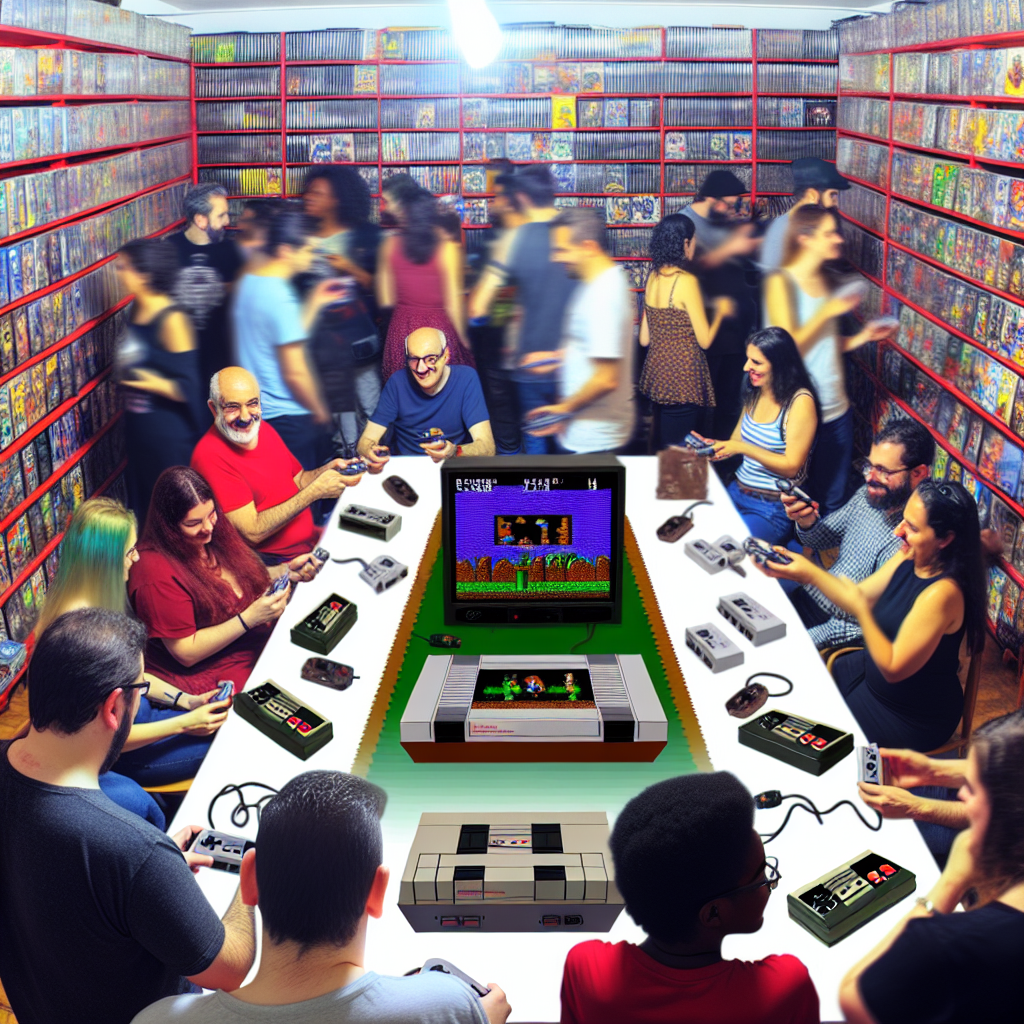
In today’s gaming landscape, where the latest AAA titles dominate, a fascinating trend is emerging: retro game collecting. Beyond mere nostalgia, this movement encompasses a blend of discovery, community, and an appreciation for the craftsmanship that defined a generation. But what drives this passion for the past, and how does it coexist with modern technology? Let’s dive in.
## The Allure of Nostalgia
At the heart of retro game collecting lies an emotional connection—a yearning for the simplicity and creativity of earlier gaming eras. Think back to the 8-bit wonders and 16-bit masterpieces that filled the childhoods of many millennials and Gen-Z gamers. Titles like *EarthBound*, with their quirky humor and unique gameplay, stand as reminders of the innovation and storytelling depth that prevailed before the graphical arms race of modern gaming.
What makes this nostalgic pursuit particularly compelling is the quest of hunting for rare finds. Often, collectors can stumble upon hidden gems for a fraction of their retail value—like the story of someone discovering a complete *EarthBound* in pristine condition at a local thrift store for just $40. This thrill of the hunt mirrors elements common in treasure hunting; it’s the excitement of the unexpected that fuels collectors’ journeys.
## Understanding the Craftsmanship
The authentic quality of retro games is another aspect that appeals to collectors. Unlike many modern titles that often prioritize flashy visuals over substance, retro games emphasize gameplay mechanics and personality. They were crafted with the constraints of their time, forcing designers to innovate within limitations, resulting in unique storytelling methods and engaging gameplay mechanics.
For example, the design of games from the ’80s and ’90s often relied on pixelated graphics and simple soundtracks, which required imagination and engagement from players. This contrast between the technical prowess of today’s gaming and the emotional engagement of retro titles raises questions about what constitutes true gaming value. Is it the graphics, or is it the connection and experience that a game provides?
## The Community Aspect
Beyond the individual collector, the retro gaming community has blossomed into a vibrant ecosystem. Online platforms and social media allow passionate individuals to connect, share stories, and trade tips. Groups dedicated to retro gaming thrive, where stories of incredible finds circulate, and camaraderie flourishes.
This community aspect is essential. It not only democratizes knowledge about game preservation, but it also fosters a sense of belonging. Forums and Discord servers buzz with discussions ranging from collection strategies to nostalgic experiences, creating an environment where both seasoned collectors and newcomers can share and learn.
## Balancing Retro and Modern
Interestingly, the influence of retro aesthetics has trickled down into modern gaming. New titles often position themselves as “retro-inspired,” drawing not only from visual styles but also from gameplay mechanics that made older games enjoyable. This trend raises the question: Are developers genuinely paying homage to retro gaming, or are they simply leveraging nostalgia for profit?
Consider indie games like *Shovel Knight* and *Celeste*. These successful titles echo the designs and mechanics of their predecessors while injecting fresh elements that keep gameplay engaging. They represent a harmonious blend of old and new, showcasing how the industry can evolve while still respecting its past.
However, not all attempts to evoke nostalgia are successful. Some games lean solely on retro visuals without offering depth in gameplay, leading to disappointing experiences. This suggests that while the retro label can attract attention, genuine innovation is necessary for maintaining player interest and satisfaction.
## The Real-World Implications
The rise of retro gaming has real-world consequences: it has sparked discussions on game preservation, the value of digital versus physical media, and the ethics of collecting. Moreover, as millennials and Gen-Z grapple with their identities, retro games provide a comforting link to shared cultural experiences. They possess the power to redefine how we view gaming history and its impact on modern society.
As technology continues to innovate, the importance of preserving the essence of gaming history grows. The retro movement reminds us that every new game builds upon the legacy of those that came before it, creating a tapestry of experiences that shape our gaming landscape.
## Looking Forward: The Future of Gaming
In the end, the journey of retro game collecting goes beyond just acquiring physical copies of beloved games; it invites us to reflect on the evolution of the medium, its emotional resonance, and the importance of community in gaming culture. As technology progresses, what defines the essence of gaming will inevitably shift, but the feelings inspired by these timeless classics will continue to echo.
As we embrace the future, I invite you to consider: How will the resurgence of retro gaming influence the next generation of developers and gamers? What will the lasting impact of this nostalgic wave be on the evolution of gaming as we know it?