# Introduction: Welcome to the Age of AI
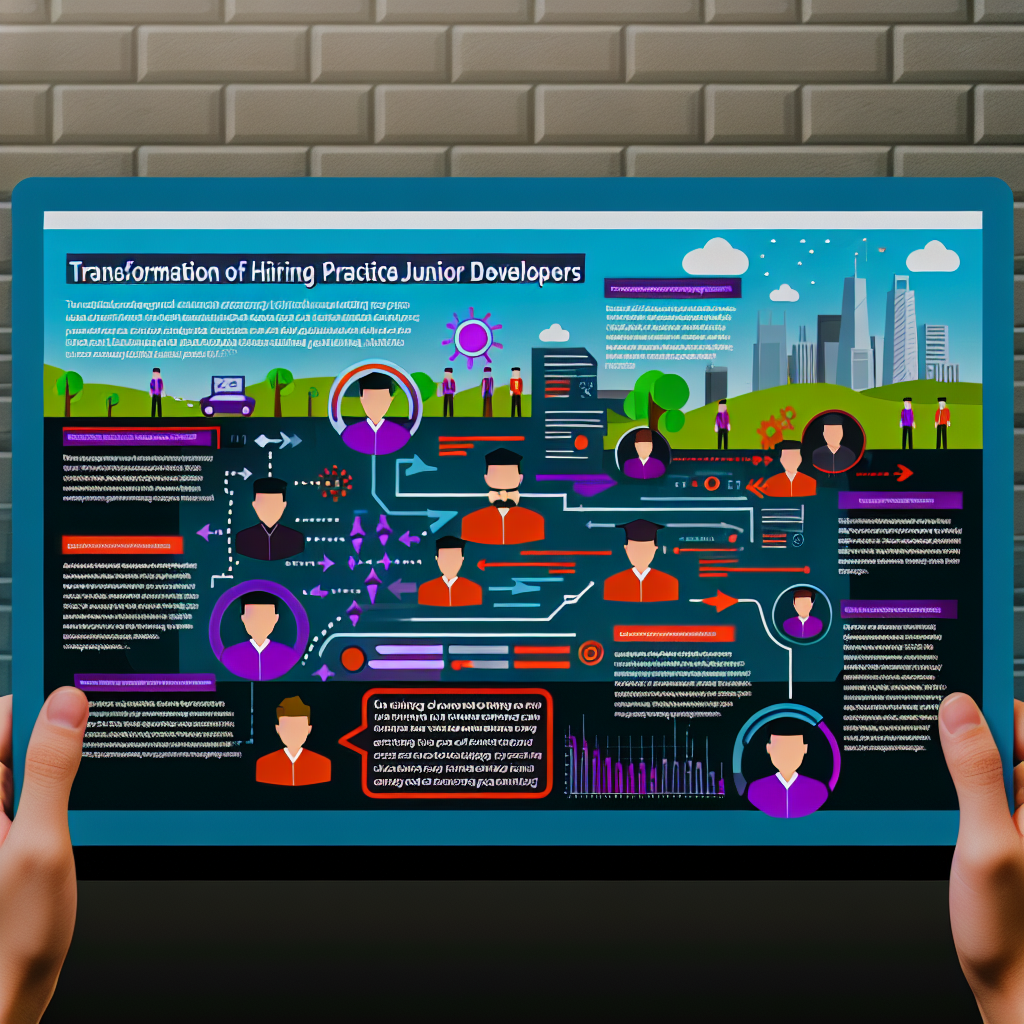
Gone are the days when a crisp resume showcasing language fluencies and coding languages was enough to land a coveted tech role. As artificial intelligence (AI) continues its relentless ascent across industries, it’s reshaping the recruitment landscape for aspiring developers—especially for junior candidates looking to make their mark. In this article, we’ll explore how the influx of AI is transforming the hiring process, what this means for young professionals, and strategies to remain competitive in a rapidly evolving job market.
# The AI Evolution: Setting the Stage
If you’re a millennial or Gen-Z tech enthusiast, you’ve undoubtedly felt the ripples of AI innovation in your educational or professional journey. Whether it’s through automation in software development or machine learning applications, tech companies are shifting towards roles that leverage AI capabilities. The proliferation of automated tools means less dependency on traditional programming skills, thus increasing the need for specialized knowledge in AI frameworks and analytics.
For junior developers, this new emphasis can prove daunting. With entry-level candidates traditionally focusing on languages like Java or Python, the landscape is becoming overcrowded, and the competition is fierce. As junior developers face a daunting hiring environment, it’s essential to understand the evolving expectations and the skills that can set one apart.
# The Skills Reboot: What Companies Are Really Looking For
Recruiters are now on the hunt for candidates who not only understand traditional coding languages but also grasp AI fundamentals. Companies like Microsoft have signaled a hiring pivot, favoring candidates who can navigate AI-driven roles over generalists. This focus on specialization is indicative of a broader trend—here’s what to consider:
– **Machine Learning and Data Science:** Companies want candidates who can train and optimize AI models. Familiarity with libraries like TensorFlow or frameworks like PyTorch can significantly enhance your employability. For instance, being able to not just use these tools but also understand the algorithms behind them sets a candidate apart.
– **Understanding Algorithms:** A solid grasp of how algorithms work goes hand in hand with AI. Junior developers should be prepared to discuss algorithms and data structures, as well as their applications in AI technology. A practical analogy would be mastering basic recipes before attempting culinary innovations.
– **Soft Skills for Tech Success:** Coding isn’t the only area where juniors must shine. Communication skills are crucial, especially when working with cross-functional teams. The ability to convey complex ideas in simple terms is golden. Just as important as your technical prowess is your ability to share your vision with others.
# Navigating AI’s Pressure Cooker: Tips for Junior Developers
So, what can junior developers do to stand out in this emerging landscape? Here are some proactive steps to jumpstart your career:
1. **Continuous Learning:** Online platforms like Coursera, Udacity, and edX offer courses covering essential AI skills. Consider enrolling in machine learning or AI-specific courses to bolster your expertise. Staying updated with industry trends can give you a competitive edge.
2. **Build Your Portfolio:** Create projects that exemplify your AI skills. Online repositories like GitHub can demonstrate your ability to apply theoretical knowledge and encourage potential employers to see your coding prowess in action. Think of it like a digital showcase—a gallery of your work that tells employers, “Here’s what I can do!”
3. **Network Strategically:** Attend tech meetups, webinars, and industry conferences to connect with professionals in the field. Networking can open doors to mentorship, internships, or employment opportunities. Like in any industry, who you know can be just as important as what you know.
4. **Seek Feedback:** Embrace constructive criticism by sharing your work with peers and mentors. This iterative process can refine your technical skills and boost your confidence. Feedback is a powerful tool; use it to shape your learning journey.
# The Silent Barrier: Communication in Software Development
In this high-pressure, competitive environment, one of the hidden challenges for junior developers can be the dynamics of communication in software engineering teams. Often, disagreements are suppressed or avoided, stifling innovative solutions and leading to animosity among team members. Cultivating an open dialogue in the workplace is crucial—not only for project success but also for personal growth.
Encouraging transparency, whether it’s through regular check-ins or collaborative problem-solving sessions, can help dismantle these barriers, fostering a productivity-driven culture. As you enter the workforce, remember that your voice matters just as much as your coding skillset.
# Conclusion: Embrace the AI Revolution with Confidence
The landscape of tech hiring is shifting at an unprecedented pace. While AI may present challenges, it also offers incredible opportunities for junior developers ready to adapt. Focus on developing relevant skills, honing your communication capabilities, and building a network that supports your aspirations.
Stay curious and proactive, and remember: in a world driven by innovation, it’s your willingness to evolve that will ultimately determine your success.
# Takeaway: The Future is Yours
As AI continues to carve new paths in technology, the key for aspiring developers is adaptation. Equip yourself with the right skills, learn to communicate effectively, and don’t shy away from collaboration. The future of tech is bright—grab your piece of the pie!
**What do you think the rise of AI means for the future of the tech industry, and how do you see yourself adapting to these changes?**