# Play or Watch? Why We Need to Rethink Game Design for Engagement
In the gaming world, a delicate balance exists between interactive gameplay and immersive storytelling. Recent titles, especially Insomniac’s “Spider-Man 2,” have prompted discussions about this balance. Developers are increasingly faced with the challenge of blending cinematic storytelling with compelling gameplay. In a landscape where attention spans are fleeting, fostering meaningful experiences becomes paramount.
## The Dilemma of Interactivity in Gaming
It’s an age-old debate: how much interactivity is “too much”? Developers strive for a balance, attempting to make games cinematic to help players feel that they are part of the narrative. However, as seen in titles like “Spider-Man 2,” this can backfire. The game includes moments that would have been better as cutscenes, such as sneaking around Peter Parker’s high school or waiting to ride a roller coaster. Instead of adding depth, these slow-paced sequences can hinder the thrilling experiences that players expect.
So, what is the goal of these mechanics? Are they truly enriching the storytelling, or merely acting as a delay for the thrilling action players crave? The challenge lies in ensuring that every element serves a narrative purpose rather than stretch gameplay unnecessarily.
## Cutscenes vs. Gameplay: The Great Debate
Engaging fully in “Spider-Man 2” highlights the contention surrounding cutscenes and gameplay. The primary argument isn’t that cutscenes are unnecessary; they have a space in gaming. Yet, developers often fear that using too many cutscenes may detract from players’ immersion. This apprehension can lead to overly simplistic gameplay mechanics that frustrate rather than engage.
To counter this, developers should innovate how they deliver narratives. Instead of asking players to perform mundane fetch quests, they could enhance storytelling through interactive environments brimming with rich lore—like we see in classics such as “Half-Life 2.” An intricately designed opening sequence can draw in players without the dragging effect of tedious interludes.
## The Role of Variety in Open Worlds
Open-world games thrive on diverse activities, but this variety must walk the line between enriching the experience and creating unnecessary distractions. Players should be invited to discover the depth of the world around them without feeling overwhelmed or bored by filler content. The iconic web-slinging of Spider-Man should take center stage, rather than being overshadowed by trivial quests designed to extend the playtime.
Integrating activities that complement the core story is essential. In a marketplace saturated with engaging titles, developers must capture the attention of players without diminishing gameplay quality.
## Finding the Right Balance
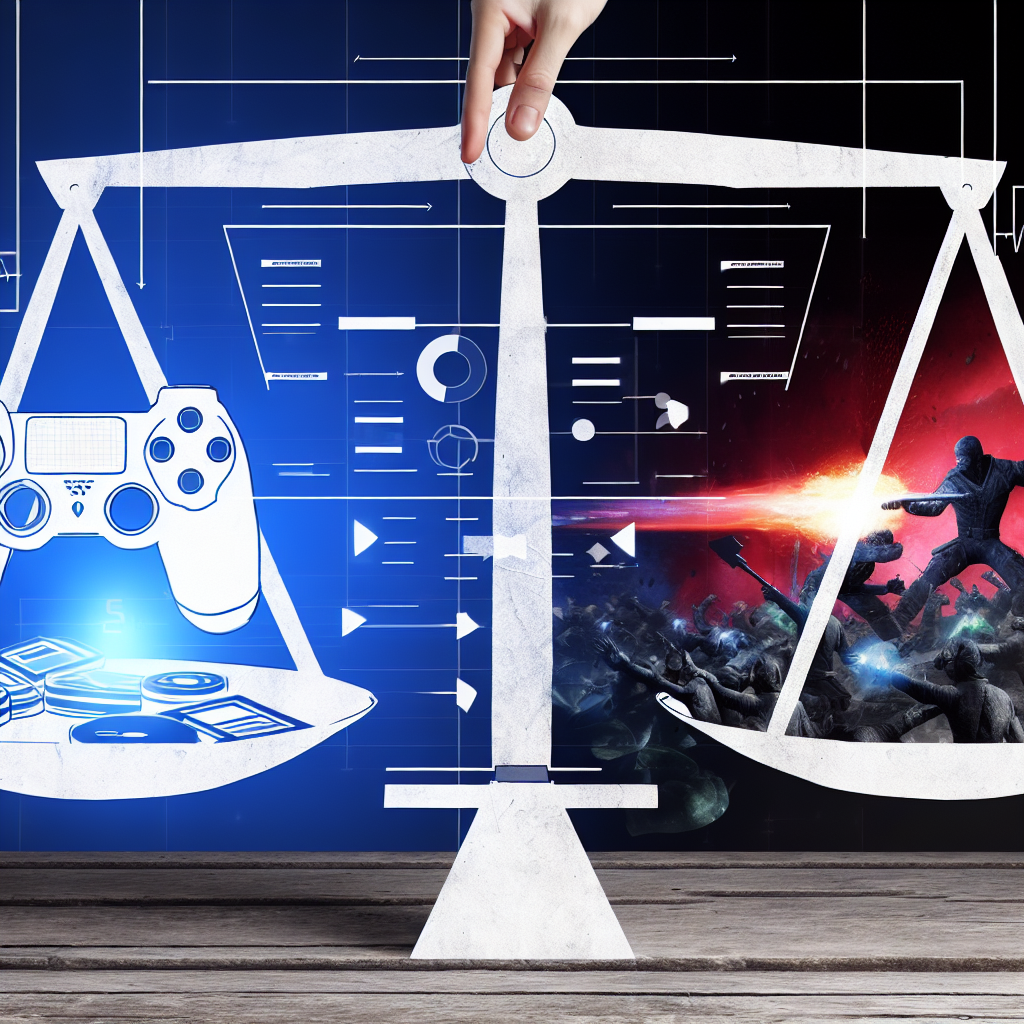
Ultimately, an effective game design rests on achieving a balance between interactivity and storytelling. Developers need to recognize that not every moment has to demand player interaction. Sometimes, a well-placed cutscene can create emotional stakes and tension that gameplay cannot achieve.
To enhance player engagement, producers must objectively evaluate what contributes meaningfully to the experience. If certain moments can convey emotion or tension through a well-crafted cutscene, then these tools should not be shunned. Instead, they can serve as beneficial storytelling vehicles, rather than obstacles.
## Takeaway: Less Isn’t Always More, But Less Can Be Better
As our attention spans dwindle and time remains a precious commodity, developers have a responsibility to preserve engagement while delivering captivating narratives. “Spider-Man 2” presents an essential takeaway: while interactivity can be a compelling storytelling instrument, tedious gameplay segments can pull players away from the excitement of the experience.
It’s critical for game developers to balance the cinematic qualities with engaging gameplay, allowing players a fulfilling experience. By stepping back and relying on well-crafted narrative moments, developers can keep players invested in the story rather than frustrated by unnecessary tasks.
So, next time you find yourself in your favorite gaming worlds, pay attention to the nuances of game design at play. Are developers truly enhancing your experience, or are the mechanics stepping in the way of the story? How will the evolution of game design respond to the shifting expectations of players, and what role will interactivity play in the worlds we explore?